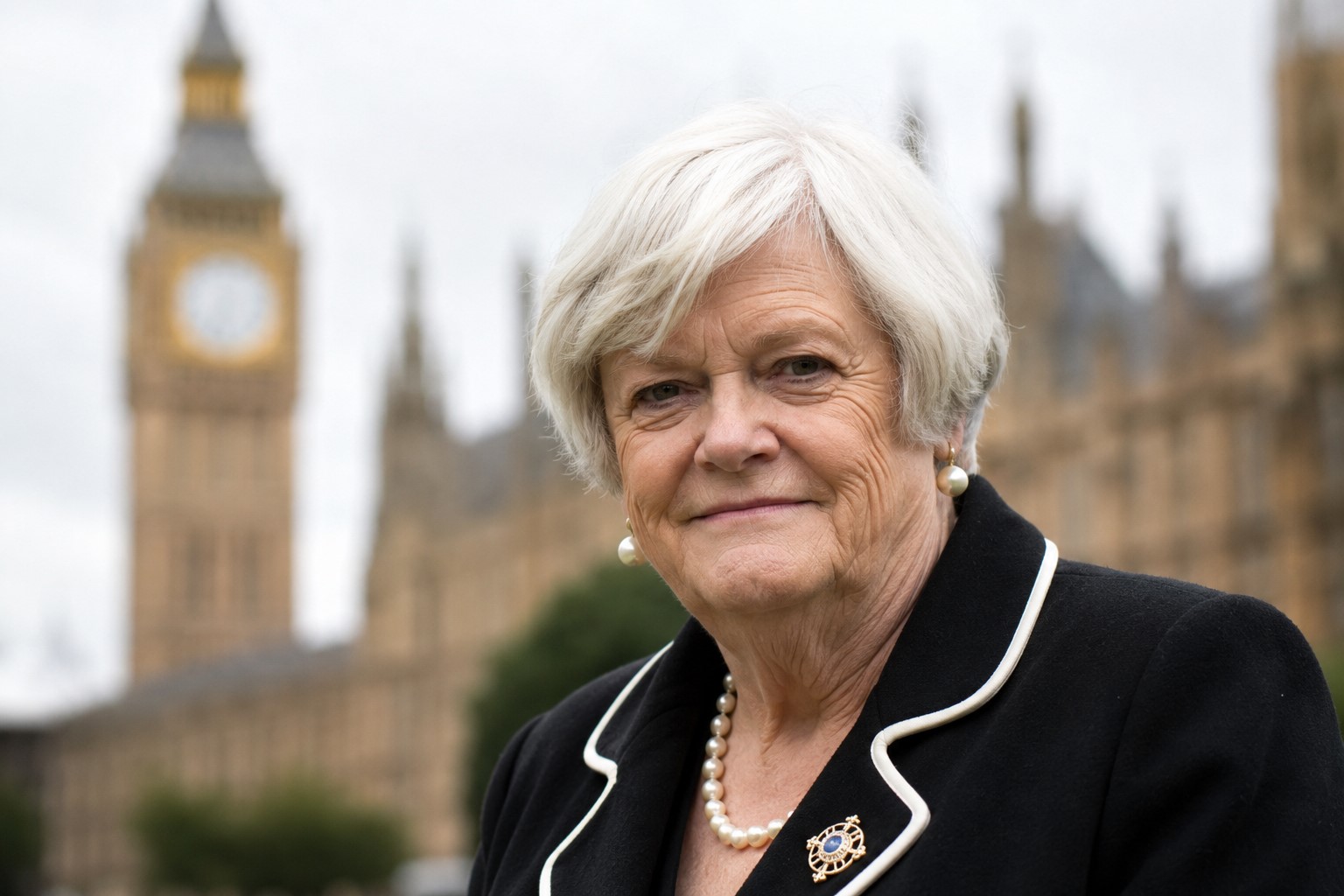
The death of former Conservative MP Ann Widdecombe has reignited debate over the state of political discourse and public safety in the United Kingdom, prompting renewed concerns about the growing hostility directed at public figures.
Known for her outspoken views and uncompromising political style, Widdecombe spent decades at the centre of British political life. Friends say she never viewed herself as someone who needed special protection, despite living alone and maintaining a high public profile after leaving Parliament. Her confidence reflected an era when political disagreements, though often intense, were less frequently associated with threats of violence.
Her death has renewed questions about whether Britain's political environment has become increasingly dangerous. It follows the killings of Labour MP Jo Cox in 2016 and Conservative MP Sir David Amess in 2021—two attacks that shocked the nation and highlighted the risks faced by elected representatives.
Political leaders across party lines have expressed condolences and stressed the importance of protecting democratic values. Analysts argue that while investigations into Widdecombe's death continue, the incident has intensified calls for a broader discussion about political rhetoric, online abuse and the impact of increasingly polarised public debate.
The tragedy has also sparked conversations about the balance between security and accessibility for politicians and public figures. Some have called for stronger protective measures, while others argue that addressing the rise in online hostility and extremist behaviour is equally important to safeguarding democracy.
Throughout her career, Widdecombe remained one of Britain's most recognisable political voices. She was admired by supporters for her conviction and willingness to defend her beliefs, while critics frequently challenged her conservative positions on social issues. Despite sharp political disagreements, many have emphasized that democratic societies must protect the right to express differing opinions without fear of intimidation or violence.
As the country reflects on her legacy, commentators say the debate extends beyond one individual, raising broader questions about civility, respect and the future of political culture in Britain.
UKEcho News brings you accurate, independent reporting from across the UK and beyond.
Comments (0)
Sign in to join the discussion.
Be the first to comment.