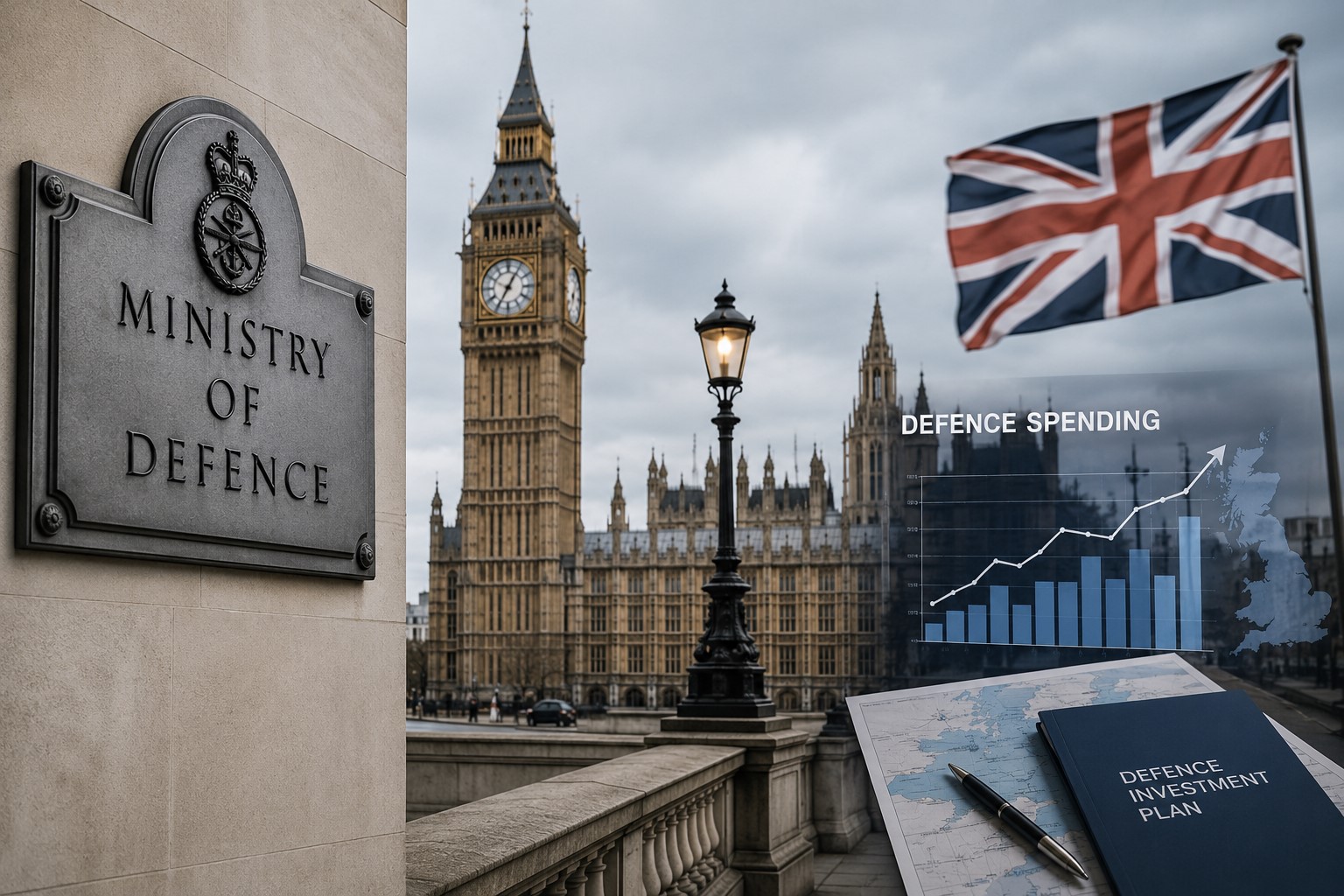
The UK government is facing mounting political pressure after a dramatic dispute over defence spending triggered the resignation of senior ministers and reignited debate over Britain's military readiness.
The controversy centres on the government's long-awaited Defence Investment Plan, a strategy intended to shape future military funding, modernisation programmes and national security priorities.
The crisis escalated after senior defence figures stepped down, arguing that proposed funding levels were insufficient to address growing international threats and ensure the long-term effectiveness of the armed forces.
The resignations have intensified scrutiny of the government's approach to defence at a time when geopolitical tensions remain high and NATO allies are increasing pressure on member states to strengthen military capabilities.
Supporters of higher defence spending argue that Britain faces a rapidly changing security environment, with challenges ranging from conventional military threats to cyber warfare and emerging technologies.
The government insists that its defence plans represent a substantial increase in military investment and will help modernise the armed forces while supporting jobs and economic growth across the country.
However, critics claim the proposed funding falls short of what is required to maintain Britain's position as a leading military power and fulfil international commitments.
The debate has exposed broader tensions within government over spending priorities, with policymakers balancing defence requirements against wider economic pressures.
Political analysts believe the dispute could have lasting consequences for the government's standing, particularly as defence and national security remain high-profile issues for voters.
Attention is now focused on newly appointed Defence Secretary Dan Jarvis, who faces the challenge of restoring confidence in the government's defence strategy while preparing for key international meetings in the weeks ahead.
The controversy arrives ahead of a major NATO summit, increasing pressure on ministers to demonstrate that Britain remains committed to strengthening its military capabilities and supporting allied security objectives.
Industry leaders, military experts and opposition figures have all called for greater clarity regarding future spending commitments, arguing that long-term planning is essential for both national security and defence sector investment.
As Westminster debates the future of defence policy, the government faces growing demands to provide reassurance that Britain's armed forces will receive the resources needed to meet evolving threats.
The coming weeks are expected to be crucial as ministers finalise defence spending plans and seek to contain a political crisis that has rapidly become one of the most significant challenges facing the government this year.
UKEcho News brings you accurate, independent reporting from across the UK and beyond.
Comments (0)
Sign in to join the discussion.
Be the first to comment.