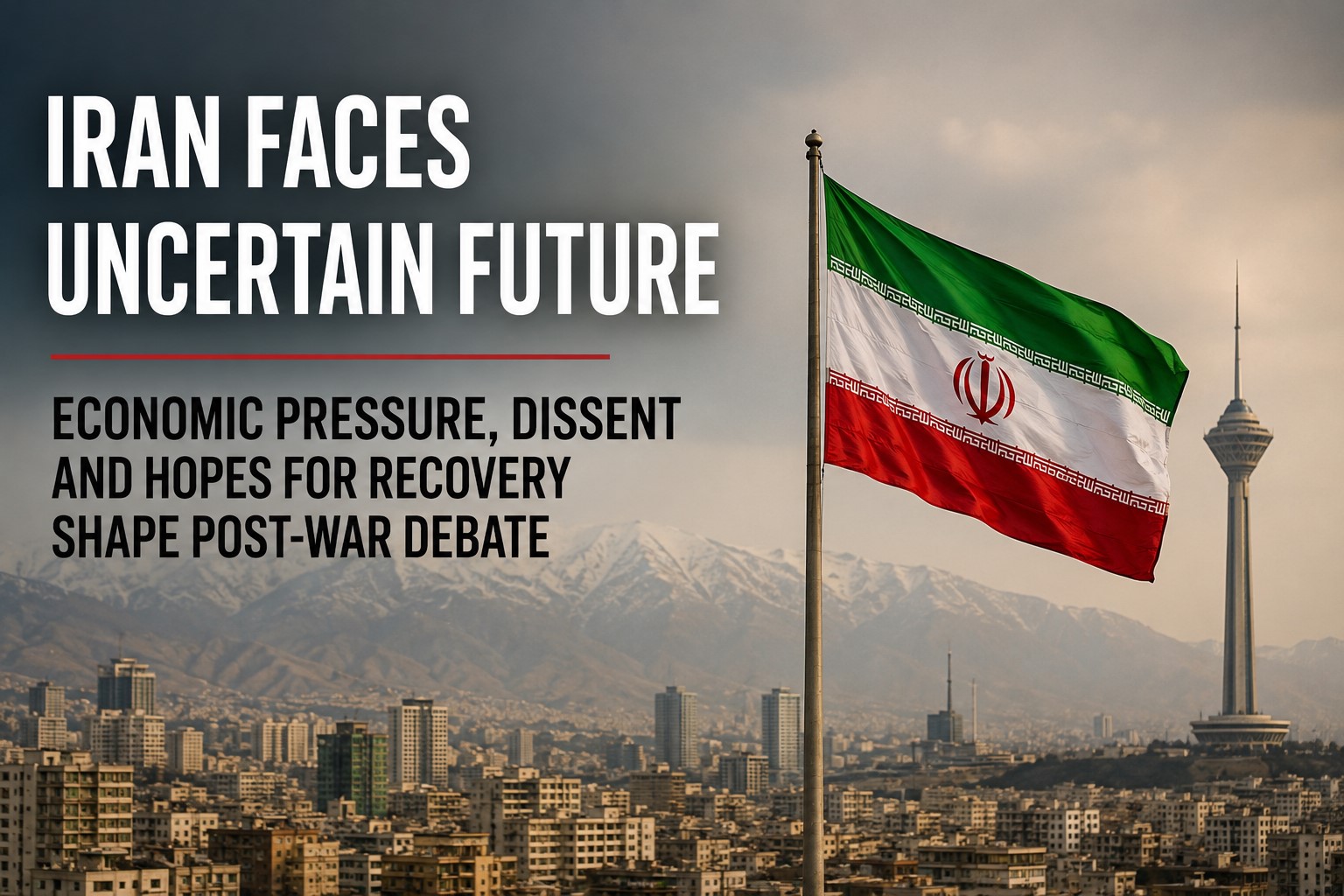
Iran is confronting mounting economic and social challenges as officials, analysts and citizens debate the country's future amid hopes for stability and recovery following a prolonged period of conflict.
Economic pressures remain severe, with rising inflation, concerns over energy shortages and growing worries about the cost of living. Experts warn that rebuilding damaged infrastructure and restoring economic confidence will require significant investment and long-term planning.
At the centre of the debate is whether improved international relations and potential sanctions relief could help revive the economy. While some policymakers see an opportunity for economic recovery, others caution that structural issues, including governance challenges and limited private-sector growth, continue to weigh heavily on development.
Reports of public dissatisfaction over living standards, employment opportunities and access to essential services have added to the pressure facing authorities. Analysts note that economic hardship remains a major concern for many households as prices continue to rise.
Political observers also point to ongoing discussions about reform, transparency and national reconstruction. While some voices are calling for greater openness and economic modernisation, others favour maintaining a more self-reliant approach.
As Iran enters a critical period, the country's ability to address inflation, attract investment and rebuild public confidence may prove decisive in shaping its future stability and economic outlook.
UKEcho News brings you accurate, independent reporting from across the UK and beyond.
Comments (0)
Sign in to join the discussion.
Be the first to comment.