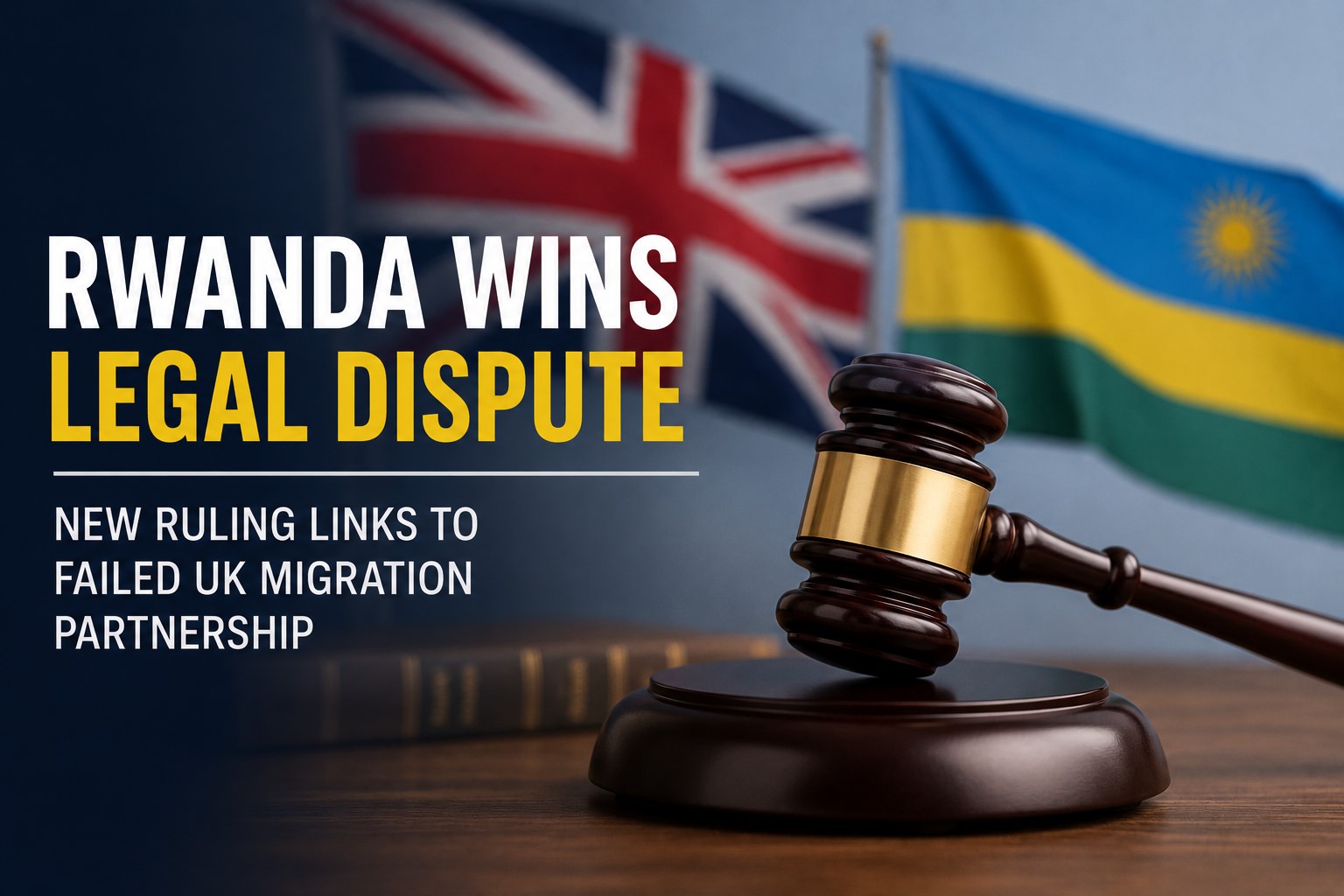
A significant legal ruling has brought renewed attention to the controversial migration partnership between the UK and Rwanda, following a court decision related to financial and contractual issues stemming from the now-abandoned deportation scheme.
The case has reignited political debate over one of the most closely watched immigration policies in recent British history. The agreement, originally designed to deter illegal migration by relocating certain asylum seekers to Rwanda, faced years of legal challenges and intense scrutiny from human rights groups, opposition parties, and international observers.
The latest ruling highlights the lasting political and financial consequences of the failed migration initiative. Critics argue that the policy generated substantial costs without achieving its intended objectives, while supporters maintain that governments must explore stronger measures to tackle irregular migration and border security concerns.
The decision is expected to fuel further discussion over how public funds were allocated and what lessons policymakers should take from the experience. Questions surrounding accountability, immigration strategy, and future border policies are likely to remain at the center of political debate.
Immigration continues to be one of the most significant issues facing governments across Europe, with policymakers balancing border control, humanitarian responsibilities, and public expectations.
As political reactions continue, the case serves as another chapter in the wider discussion about migration management and the future direction of UK asylum policy.
UKEcho News brings you accurate, independent reporting from across the UK and beyond.
Comments (0)
Sign in to join the discussion.
Be the first to comment.