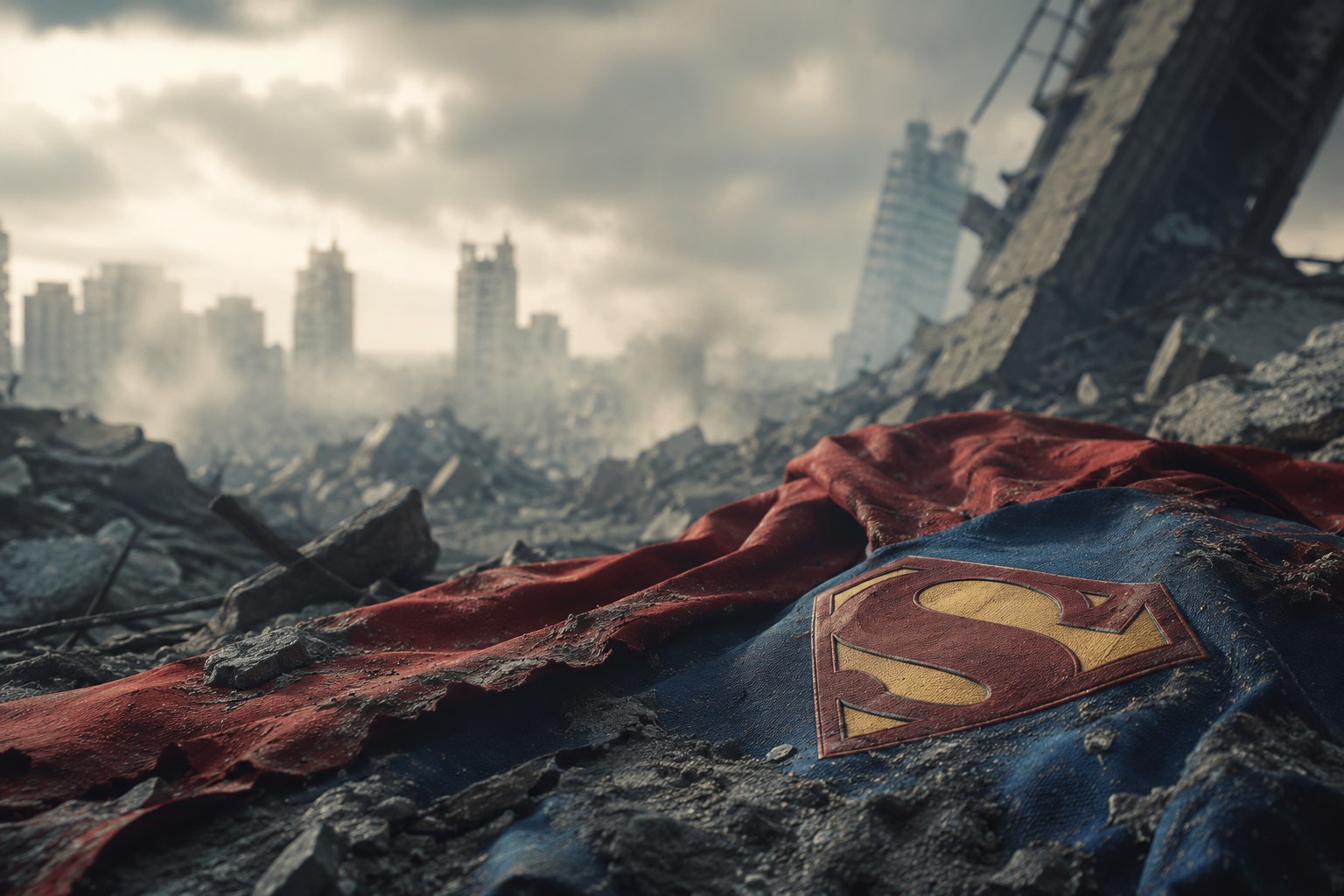
The disappointing box office performance of Supergirl has reignited debate over whether audiences are beginning to lose interest in superhero films beyond the biggest comic book icons. As both Marvel and DC Studios continue expanding their cinematic universes, the film's weak opening has raised questions about the long-term future of the genre.
A Difficult Start for DC's New Era
Starring Milly Alcock as Kara Zor-El, Supergirl reportedly opened with around $38 million in North America and approximately $68 million worldwide, well below expectations for a film produced with an estimated $170 million budget, excluding marketing costs.
The result represents an early setback for James Gunn's rebooted DC Universe, arriving just two films into the studio's new interconnected franchise.
Superhero Universes Depend on Audience Investment
For more than a decade, both Marvel and DC have built expansive cinematic universes by introducing lesser-known heroes before bringing them together in major crossover events.
Marvel successfully turned characters like Rocket Raccoon, Ant-Man, and the Guardians of the Galaxy into household names by connecting their stories to larger films such as The Avengers. This strategy encouraged audiences to watch every release because each installment felt important to the bigger narrative.
However, as interest in lesser-known superheroes declines, maintaining that momentum has become increasingly difficult.
Superhero Fatigue Becomes More Noticeable
Recent under performing comic book films including Eternals, Madame Web, Morbius, The Flash, and now Supergirl have fueled discussions about growing superhero fatigue among moviegoers.
While blockbuster characters like Superman, Batman, and Spider-Man continue to attract attention, newer or secondary heroes have struggled to generate the same excitement at the box office.
Industry observers believe audiences are becoming more selective, choosing only major event films rather than every interconnected release.
DC May Shift Toward Its Biggest Heroes
Following Supergirl's disappointing performance, speculation has grown that DC could place greater emphasis on its most recognizable superheroes.
Projects centered on Batman and Superman may become the studio's primary focus, while riskier films featuring lesser-known characters could face greater scrutiny. Upcoming titles, including Batman: The Brave and the Bold and the horror-inspired Clayface, are expected to play an important role in determining the direction of the new DC Universe.
Although DC executives have stated that their long-term plans remain unchanged, financial performance will likely influence future decisions.
Marvel Faces Similar Challenges
The issues extend beyond DC. Marvel also faces the challenge of keeping audiences engaged with newer heroes introduced in recent years.
Characters such as Shang-Chi, Eternals, and others have yet to establish the same cultural impact enjoyed by earlier Marvel icons. As Marvel prepares for future crossover films, the studio must ensure audiences remain invested in these newer characters if major ensemble movies are to maintain their appeal.
Disney has already signaled a slowdown in superhero content by reducing the number of Marvel projects released each year, focusing instead on improving overall quality.
Can Superhero Movies Recover?
Despite recent setbacks, superhero films remain one of Hollywood's most successful genres. However, both Marvel and DC may need to prioritize stronger storytelling, higher-quality productions, and fewer annual releases to rebuild audience enthusiasm.
The success of upcoming films featuring established heroes could determine whether cinematic universes continue to thrive or whether studios rethink their long-term strategies.
UKEcho News brings you accurate, independent reporting from across the UK and beyond.
Comments (0)
Sign in to join the discussion.
Be the first to comment.