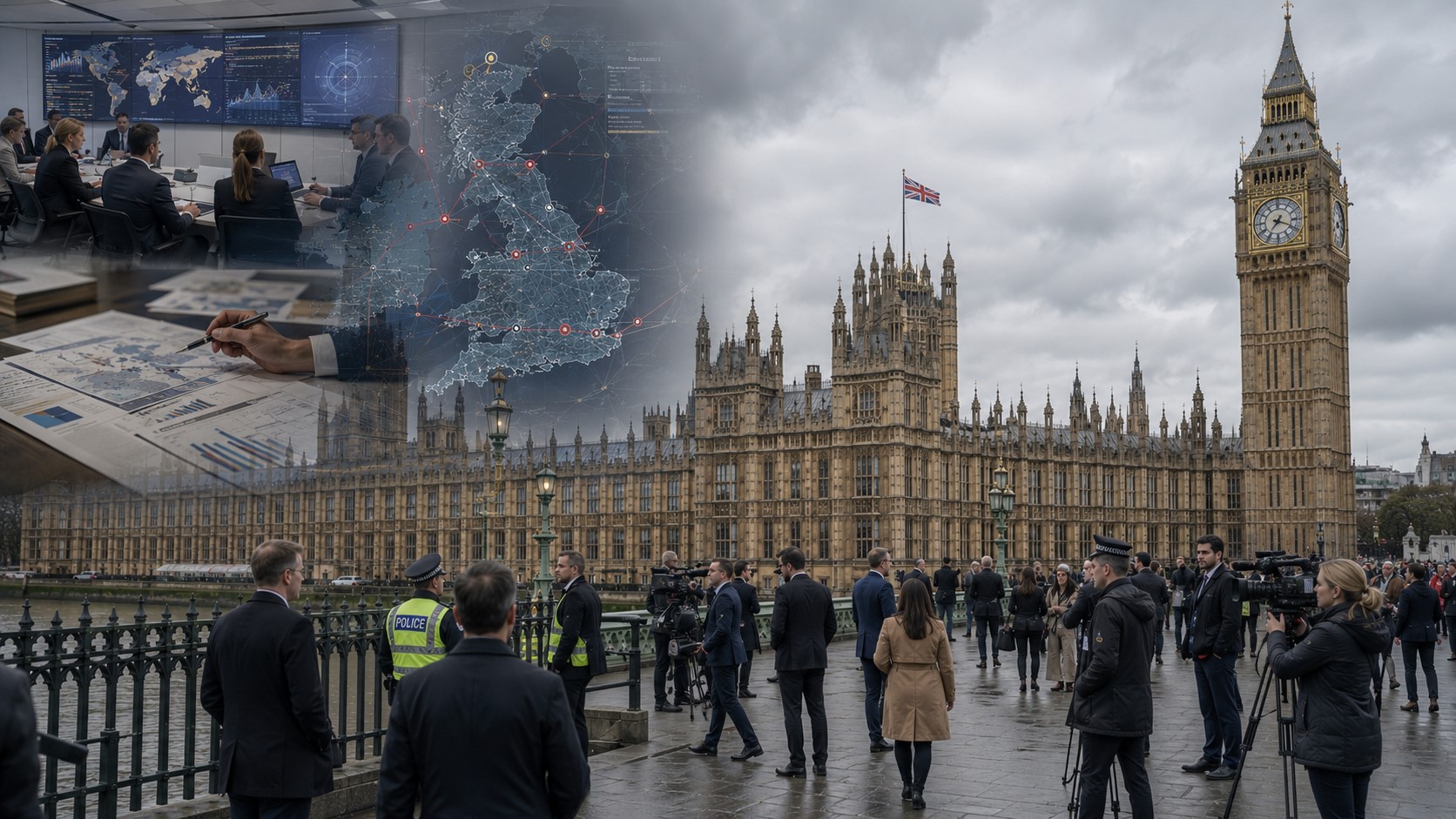
Britain's political landscape was thrown into turmoil after the resignation of the Defence Secretary, a move that has reignited fierce debate over military spending, national security and the government's strategic direction.
The high-profile departure comes amid escalating concerns about whether current defence investment plans are sufficient to address growing global threats and meet Britain's long-term security commitments.
The resignation marks one of the most significant political developments in recent months and places defence policy firmly at the centre of the national conversation.
Critics have argued that planned increases in military spending fall short of what is needed to maintain the UK's defence capabilities in an increasingly unpredictable international environment. Supporters of greater investment say geopolitical tensions, emerging security threats and evolving military technologies require a more ambitious approach.
The dispute has highlighted wider questions about government priorities, particularly as ministers seek to balance public spending pressures with demands for stronger national security.
Political analysts say the resignation could have significant implications for the government's authority, especially as defence and foreign policy remain key issues ahead of major international meetings and strategic reviews.
National security experts have repeatedly warned that military readiness and defence modernisation require sustained long-term funding commitments.
The debate has also drawn attention to Britain's role within NATO and its responsibilities as one of Europe's leading military powers. Many observers believe defence policy will remain under intense scrutiny as policymakers confront a rapidly changing security landscape.
Government officials have defended their approach, arguing that defence spending is increasing and that future plans will strengthen Britain's capabilities while maintaining fiscal responsibility.
However, opposition figures and some defence specialists continue to call for greater urgency, arguing that delays in investment could undermine readiness and strategic resilience.
The political fallout has extended beyond defence policy, fuelling wider discussions about leadership, economic priorities and Britain's position in international affairs.
As pressure mounts, the government faces growing expectations to provide clarity on future defence funding and long-term security strategy.
For many voters, the issue extends beyond political disagreements. It raises fundamental questions about how Britain intends to respond to emerging threats and maintain its influence in an increasingly complex world.
The coming weeks are expected to bring further debate as policymakers, military leaders and political figures continue to assess the implications of the resignation and the future direction of UK defence policy.
UKEcho News brings you accurate, independent reporting from across the UK and beyond.
Comments (0)
Sign in to join the discussion.
Be the first to comment.