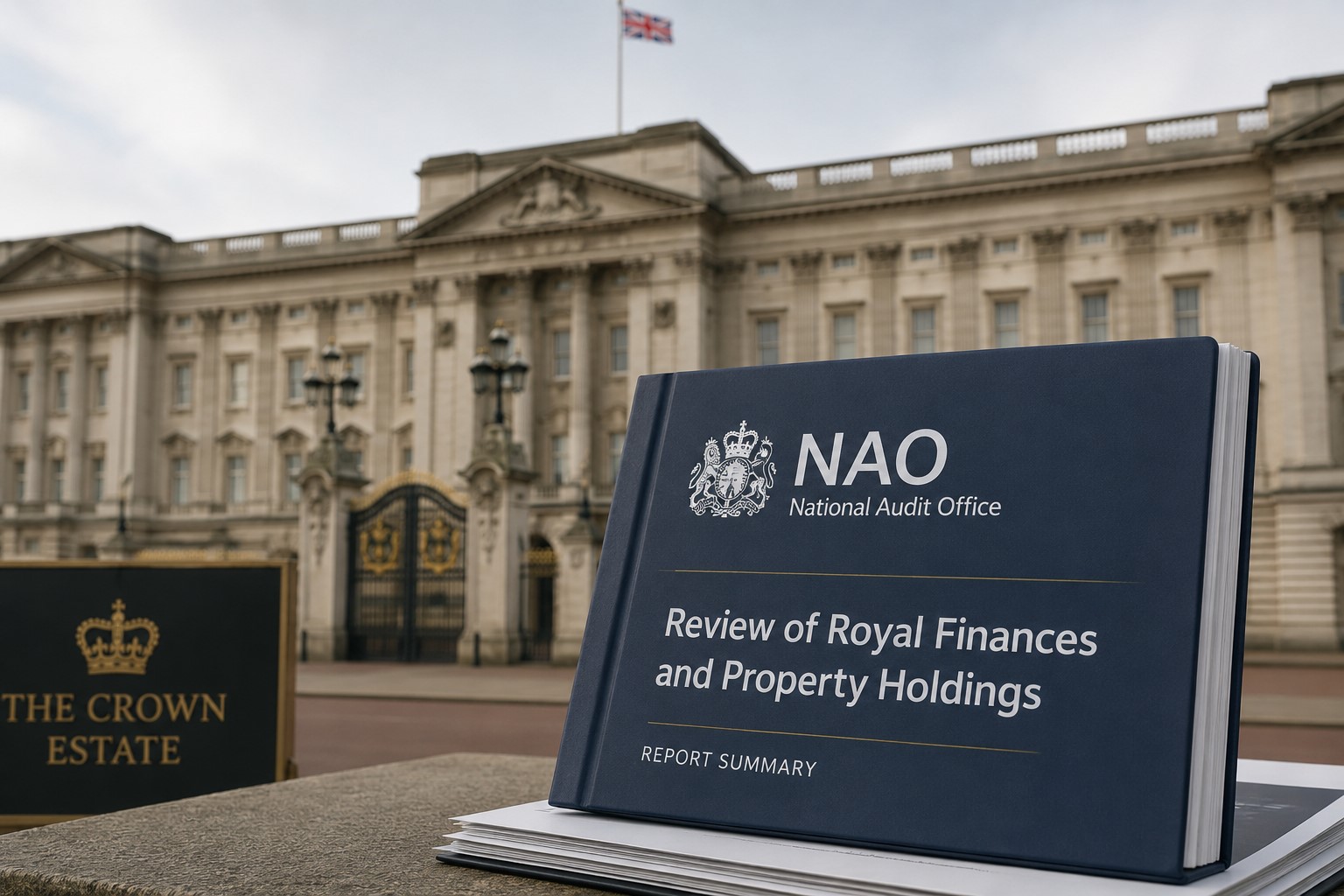
Fresh scrutiny has been placed on royal finances and property arrangements after the UK’s spending watchdog published its most detailed review yet into how royal estates and residences are managed.
The report by the National Audit Office (NAO) examined leasing arrangements linked to members of the Royal Family and highlighted differences in how royal properties are occupied, rented and managed. Among the findings were details surrounding property leases connected to Prince Andrew, including multiple properties held under lease agreements, some of which were reportedly sublet.
The review also examined broader questions around rental arrangements across royal estates, revealing that while some leases are based on commercial valuations, others involve little or no rent being charged depending on historical agreements and property status.
Interest in royal property arrangements intensified after Parliament’s Public Accounts Committee announced plans to investigate the issue following growing public and political questions over occupancy agreements and estate management. Particular attention has focused on Royal Lodge, the Windsor estate property previously associated with Prince Andrew.
In recent years, King Charles III has reshaped aspects of royal operations and property arrangements as part of broader efforts to modernise the monarchy. Changes involving residences and royal roles have attracted increased public attention amid ongoing debates about transparency, public funding and the financial responsibilities attached to royal estates.
Critics argue that the review reinforces calls for greater openness over how royal properties are allocated and funded, while supporters say many arrangements reflect long-standing traditions and complex estate structures.
UKEcho News brings you accurate, independent reporting from across the UK and beyond.
Comments (0)
Sign in to join the discussion.
Be the first to comment.