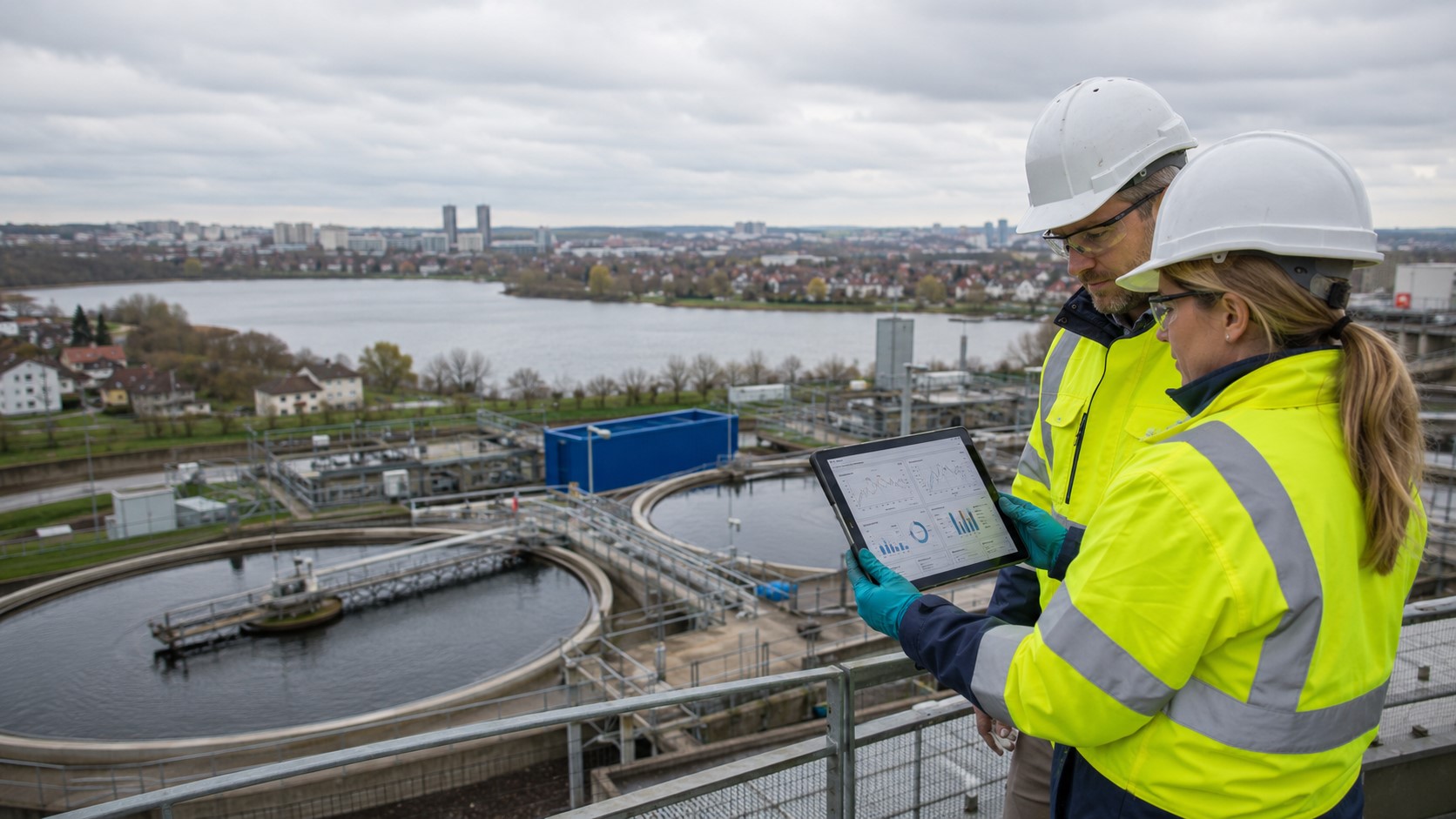
Britain's water industry is facing renewed scrutiny as calls grow for faster infrastructure investment, stronger environmental protections and improved customer services across the country.
The issue has become increasingly prominent following ongoing debates about water quality, network resilience and the long-term sustainability of essential infrastructure. Regulators, policymakers and consumer groups are all pressing for improvements that could shape the future of the sector.
Water infrastructure is now emerging as one of the most closely watched public policy and economic issues in the United Kingdom.
Industry experts argue that significant investment will be required over the coming decades to modernise ageing networks, improve environmental outcomes and meet growing demand from expanding populations.
Water companies say major infrastructure projects are already being planned and delivered, including upgrades to treatment facilities, pipeline networks and environmental protection systems. However, campaigners and community groups argue that progress must accelerate to address public concerns.
The debate comes as climate pressures, population growth and changing environmental standards place additional demands on water systems across England, Scotland, Wales and Northern Ireland.
Business leaders also view water infrastructure as a critical component of economic growth and national resilience.
Reliable water services support manufacturing, agriculture, housing development and commercial investment. Economists warn that infrastructure challenges can have wider implications for productivity and regional development.
Environmental organisations continue to call for stronger safeguards and greater transparency regarding future investment plans. Meanwhile, regulators are examining how companies can balance customer affordability with the need for large-scale capital spending.
Government officials have indicated that long-term infrastructure planning will remain a key policy priority as Britain seeks to strengthen essential services and support sustainable economic growth.
The coming months are expected to bring further discussions about investment frameworks, regulatory oversight and environmental targets, with the outcome likely to influence both consumers and businesses nationwide.
For millions of households, the debate extends beyond infrastructure alone. It is increasingly about trust, sustainability and ensuring that essential public services remain fit for the future.
As scrutiny intensifies, the water sector faces growing expectations to deliver improvements that support communities, protect the environment and strengthen Britain's long-term infrastructure resilience.
UKEcho News brings you accurate, independent reporting from across the UK and beyond.
Comments (0)
Sign in to join the discussion.
Be the first to comment.