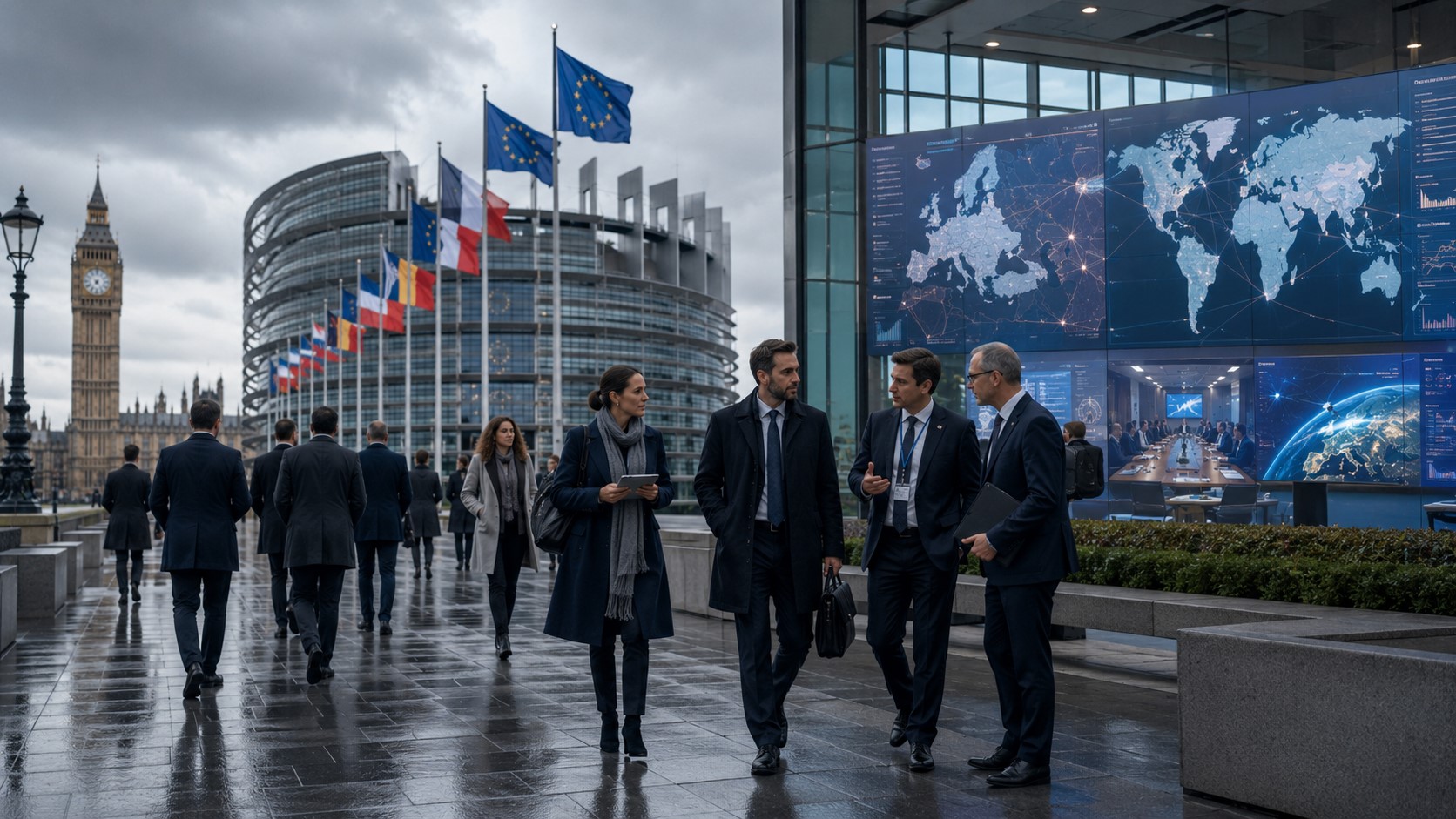
Britain's relationship with Ukraine is entering a new phase, with security cooperation increasingly viewed as a crucial element of Europe's future defence strategy.
Recent discussions involving Ukrainian President Volodymyr Zelenskyy, British Prime Minister Keir Starmer, French President Emmanuel Macron and German Chancellor Friedrich Merz have reinforced the growing importance of cooperation between Ukraine and Europe's leading powers. European leaders have continued to support efforts aimed at securing a sustainable peace while strengthening regional security arrangements.
The conflict in Ukraine has transformed the country's military capabilities and strategic significance. What began as a struggle for national survival has evolved into a broader discussion about the future of European defence, military readiness and collective security. Ukraine's battlefield experience, particularly in drone warfare and modern defence technologies, has attracted growing interest from European partners seeking to adapt to rapidly changing security threats.
Supporters of closer cooperation argue that Europe can learn valuable lessons from Ukraine's experience in modern warfare. The development of drone technology, air defence tactics and battlefield innovation has reshaped military thinking across the continent. As governments review defence spending and strategic priorities, Ukraine's expertise is increasingly viewed as an asset rather than simply a beneficiary of Western support.
The discussion also reflects wider geopolitical changes. With uncertainty surrounding future global alliances and security commitments, European nations are examining how to strengthen their own capabilities while maintaining support for Ukraine. The emergence of new defence partnerships and security initiatives demonstrates a growing recognition that European stability remains closely linked to developments in Eastern Europe.
Advocates of continued engagement believe Britain's leadership role within Europe can be enhanced through strong partnerships with democratic allies. They argue that supporting Ukraine is not solely about the current conflict but also about reinforcing broader principles of sovereignty, security and international cooperation.
As the security landscape continues to evolve, Ukraine's role within Europe's defence architecture is likely to remain a significant topic of debate. The relationship between Britain, Europe and Ukraine may ultimately help shape the continent's strategic direction for years to come.
UKEcho News brings you accurate, independent reporting from across the UK and beyond.
Comments (0)
Sign in to join the discussion.
Be the first to comment.