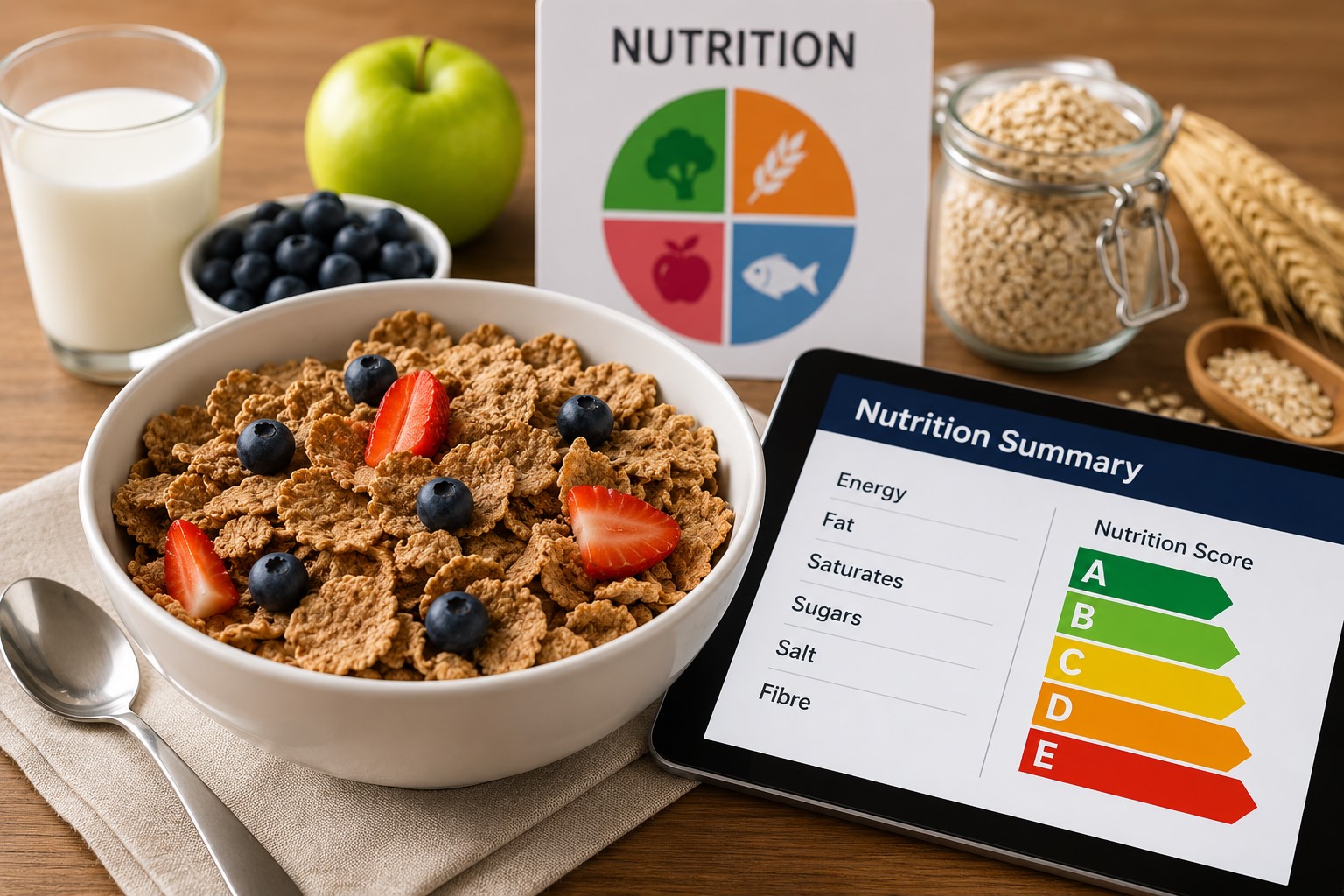
Popular breakfast cereals could face renewed scrutiny under evolving nutrition assessment systems, reigniting debate about how healthy foods should be classified and labelled for consumers.
The discussion centres on whether some cereals traditionally viewed as healthy breakfast choices could receive less favourable ratings under certain nutritional scoring models. The issue has prompted concern among nutrition experts, food manufacturers and consumer groups.
Supporters of stricter nutritional classifications argue that food labels should provide clearer guidance to help consumers make healthier choices and better understand the ingredients found in everyday products.
Breakfast cereals have long been promoted as a convenient source of fibre and essential nutrients. However, nutrition specialists note that health ratings often depend on a complex balance of factors including sugar content, salt levels, fibre, processing methods and overall nutritional value.
The debate highlights a broader challenge facing health authorities around the world: how to develop food classification systems that accurately reflect both nutritional science and consumer understanding.
Some experts warn that oversimplified scoring systems could potentially confuse consumers if foods widely regarded as part of a balanced diet receive unexpectedly negative ratings. Others argue that stricter standards are necessary to encourage healthier product formulations across the food industry.
Public health advocates believe transparent nutrition information remains a key tool in tackling obesity, diet-related illnesses and long-term health challenges.
The issue comes at a time when governments and health organisations are increasing efforts to improve dietary awareness and encourage healthier eating habits. Food manufacturers are also facing growing pressure to reduce sugar and improve nutritional profiles across a range of products.
Nutrition experts stress that no single food should be judged in isolation and that overall dietary patterns remain the most important factor in maintaining good health.
As policymakers continue to review nutrition frameworks and food labelling standards, the debate is expected to remain a significant topic within both the healthcare and food sectors.
For consumers, the discussion serves as a reminder that understanding nutrition labels and maintaining a balanced diet remain essential components of long-term health and wellbeing.
UKEcho News brings you accurate, independent reporting from across the UK and beyond.
Comments (0)
Sign in to join the discussion.
Be the first to comment.