DeSantis’ Property Tax Plan Raises Questions Over Reliance on Miami’s Wealthiest
Florida Governor Ron DeSantis’ latest property tax proposal is drawing increasing scrutiny as questions mount over how local governments would replace lost revenue if large-scale tax cuts move forward.
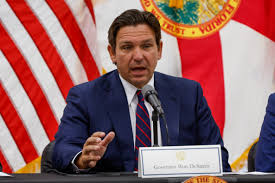
Speaking this week, DeSantis suggested that wealthy property owners in cities like Miami could help offset the financial impact of proposed tax reductions aimed at homeowners. The governor argued that areas with high concentrations of ultra-wealthy residents may be better positioned to absorb the revenue losses while providing relief to middle-class homeowners.
The proposal, however, has generated confusion over its actual scope. Questions remain about whether the plan would include a $150,000 homestead exemption, a larger $250,000 exemption, broader tax rollbacks, or state-level financial support for counties that depend heavily on property tax revenue.
Miami became a central example in DeSantis’ argument as he pointed to the city’s large number of wealthy residents and high-value properties. The governor suggested that affluent homeowners contribute significant tax revenue already, creating room for broader homeowner tax relief.
Critics, however, argue that relying heavily on wealthy taxpayers could create financial uncertainty for local governments. Questions have also emerged about whether billionaires and high-net-worth residents would continue supporting tax structures that increase their financial burden while local services remain dependent on property tax collections.
The debate has also highlighted political contradictions.
UKEcho News brings you accurate, independent reporting from across the UK and beyond.
Comments (0)
Sign in to join the discussion.
Be the first to comment.