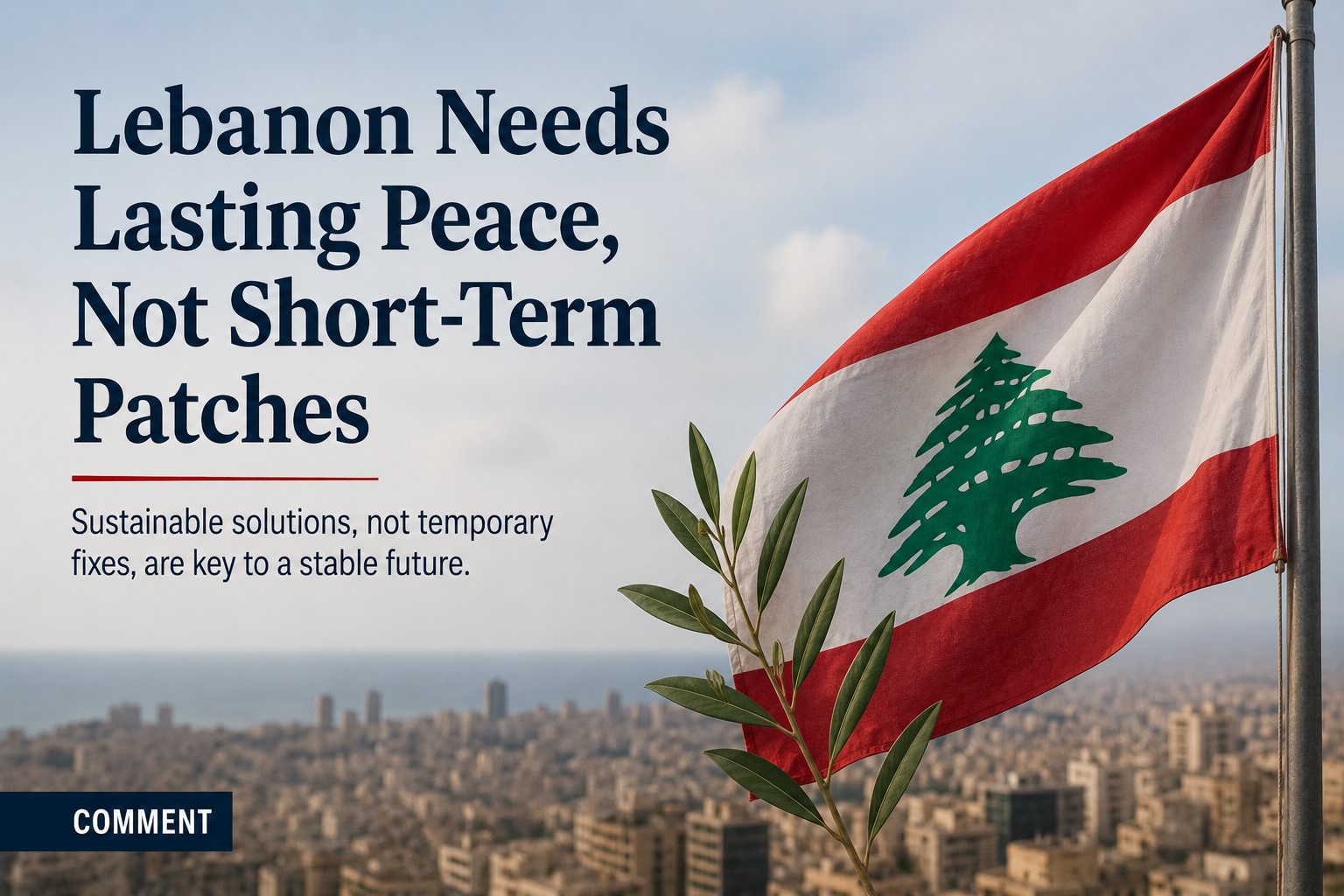
Lebanon remains at the center of growing international concern as efforts continue to prevent renewed instability in a region already facing significant political and humanitarian challenges.
Recent diplomatic initiatives have highlighted the importance of maintaining calm and avoiding further escalation. However, many analysts argue that temporary arrangements alone are unlikely to deliver the long-term security and stability that civilians desperately need.
Sustainable peace requires more than short-term agreements. It demands consistent diplomatic engagement, regional cooperation, and a commitment to addressing the underlying causes of conflict.
The humanitarian impact of instability continues to affect communities across the region, with families facing uncertainty over security, economic conditions, and access to essential services. International organizations have repeatedly stressed the need for durable solutions that protect civilians and support long-term recovery.
Global leaders continue to discuss pathways toward de-escalation, but experts warn that political momentum must be maintained if meaningful progress is to be achieved. Without sustained diplomatic efforts, temporary gains could quickly unravel.
The situation also highlights the broader challenge facing international policymakers: balancing immediate crisis management with the pursuit of lasting peace. While ceasefires and short-term agreements can reduce tensions, they are often only the first step in a much longer process.
As diplomatic discussions continue, many observers believe the focus should remain on creating conditions for stability, reconstruction, and lasting security. For civilians living with the consequences of conflict, meaningful peace remains the ultimate objective.
The coming months will be crucial in determining whether international efforts can move beyond short-term fixes and help build a more secure future for Lebanon and the wider region.
UKEcho News brings you accurate, independent reporting from across the UK and beyond.
Comments (0)
Sign in to join the discussion.
Be the first to comment.