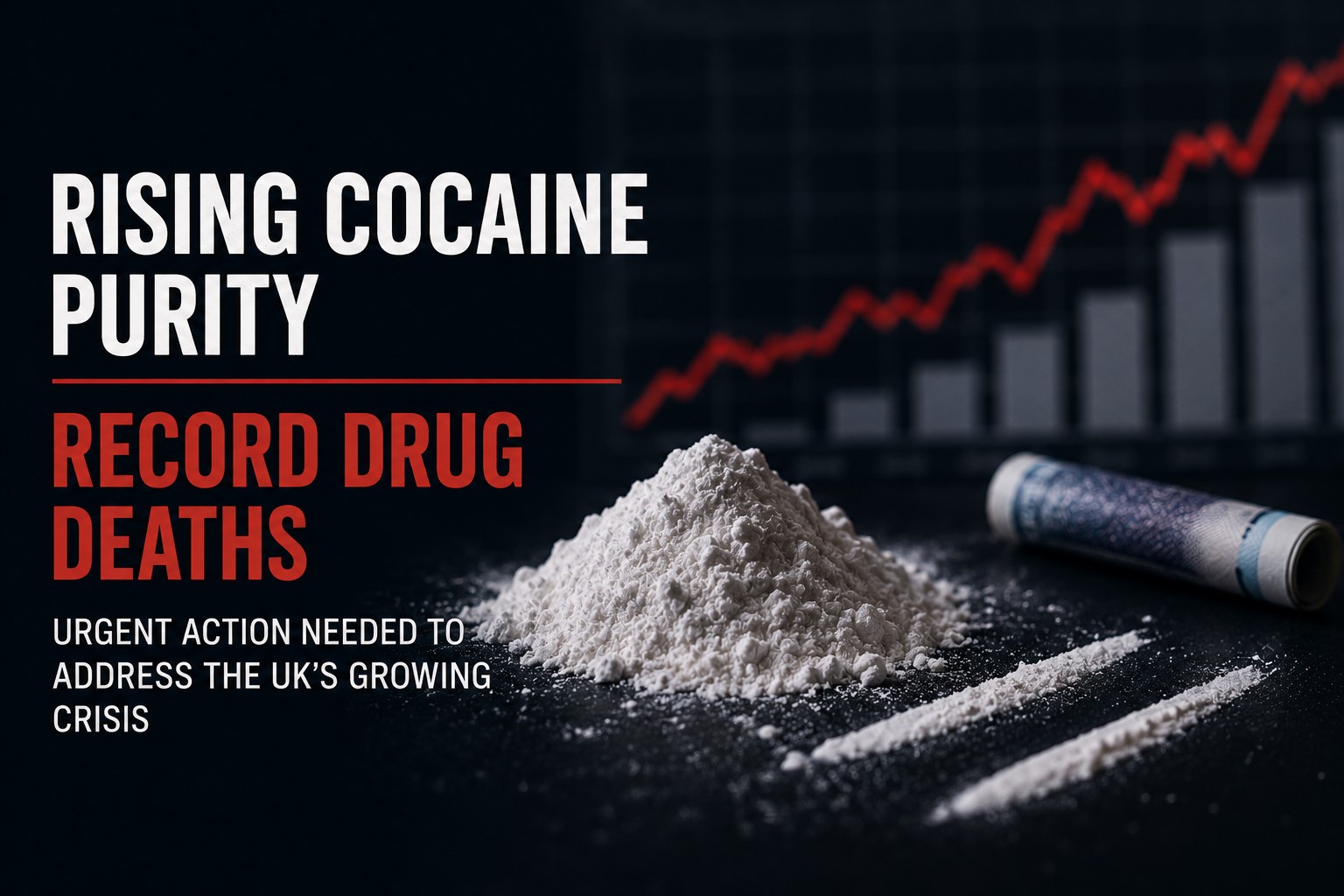
The growing purity of cocaine available in the UK is raising fresh concerns among health experts and policymakers as drug-related deaths continue to reach alarming levels.
Over recent years, stronger and more readily available cocaine has become a significant public health challenge. Experts warn that many users may underestimate the risks associated with increasingly potent substances, leading to a greater likelihood of overdoses, medical emergencies, and long-term health complications.
Record levels of drug-related harm are prompting calls for a renewed national strategy focused on prevention, education, treatment, and support services. Public health advocates argue that tackling the crisis requires more than law enforcement alone, emphasizing the need for improved addiction services and early intervention programs.
The issue extends beyond individual users. Communities, healthcare systems, and emergency services continue to face mounting pressure as the social and economic costs of substance misuse rise.
Critics say current approaches have struggled to keep pace with changing drug markets, where higher-purity substances can significantly increase the dangers faced by users. They argue that greater public awareness and stronger support networks are essential to reducing preventable deaths.
As policymakers consider future responses, the challenge remains balancing enforcement, public health measures, and long-term investment in treatment services. With drug-related fatalities remaining a major concern, many experts believe urgent action is needed to prevent further loss of life.
The debate highlights a broader question facing the UK: how can society effectively address evolving drug risks while protecting public health and supporting vulnerable individuals?
UKEcho News brings you accurate, independent reporting from across the UK and beyond.
Comments (0)
Sign in to join the discussion.
Be the first to comment.