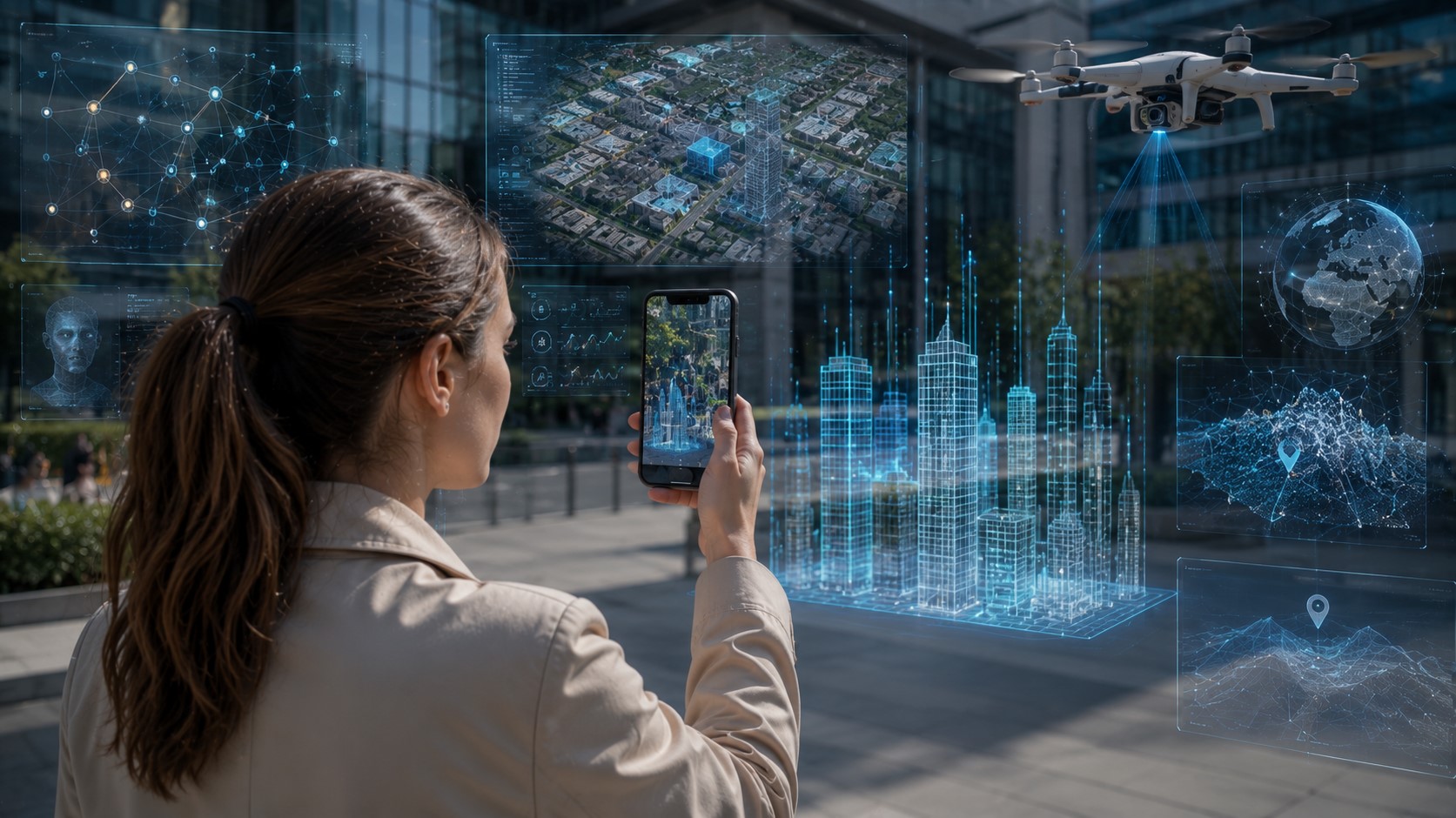
Artificial intelligence models developed using location data collected from Pokémon Go players are drawing renewed scrutiny after reports highlighted their potential role in helping drones navigate environments where GPS signals are unavailable.
The technology stems from location scans voluntarily submitted by users of the globally popular augmented reality game. Players were able to scan real-world locations using their smartphones, creating a large database of physical environments that helped train advanced AI systems capable of recognising and interpreting spaces.
Experts say these AI models can improve spatial awareness for autonomous technologies, allowing systems to better understand their surroundings even when satellite navigation is unavailable or disrupted.
The discussion intensified following reports that a technology partnership involving drone navigation software could benefit from AI models developed using these historical datasets. The technology is designed to improve positioning, orientation and situational awareness in complex environments.
Representatives involved in the project have stated that the original scans were collected through opt-in features and that user-generated data itself was not directly shared with external partners. However, the AI models trained on the information remain central to ongoing technological development.
The story has reignited wider concerns about how data generated through consumer apps and digital platforms may later contribute to entirely different industries and applications.
Privacy advocates argue that many users may not fully understand the long-term implications of the data they provide, even when consent mechanisms are included within terms and conditions.
Technology analysts note that location-based information has become one of the most valuable forms of digital data in the modern economy. From navigation systems and autonomous vehicles to robotics and artificial intelligence, accurate spatial information plays an increasingly important role in technological innovation.
Supporters of the technology say advanced mapping and environmental understanding can unlock significant benefits across industries, including logistics, disaster response, infrastructure inspection and autonomous transportation.
At the same time, the growing connection between consumer technology, artificial intelligence and defence-related applications continues to raise ethical and regulatory questions.
As AI systems become more sophisticated, the debate over transparency, user consent and responsible data usage is likely to become an increasingly important issue for governments, regulators and technology companies worldwide.
UKEcho News brings you accurate, independent reporting from across the UK and beyond.
Comments (0)
Sign in to join the discussion.
Be the first to comment.