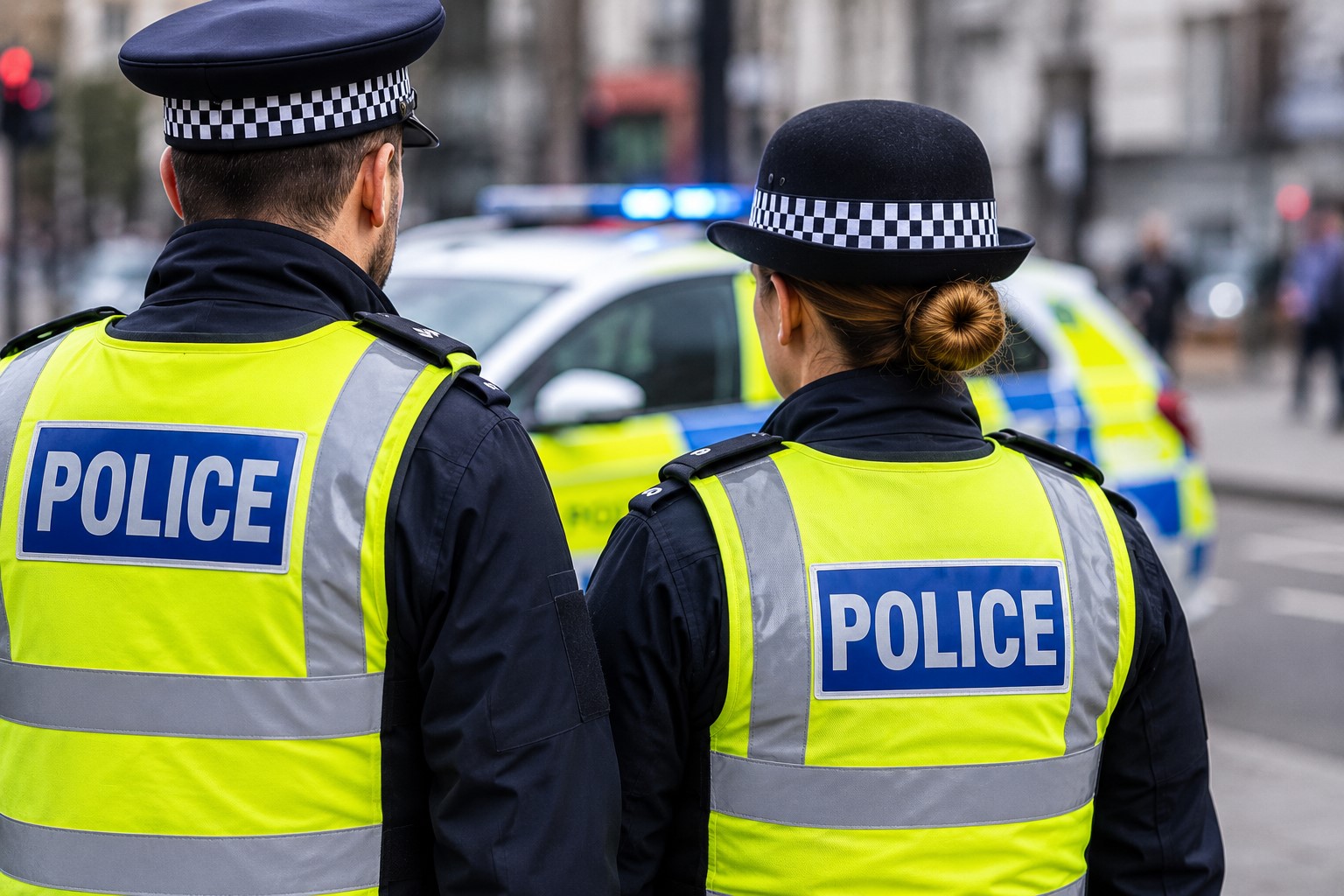
A major government-backed review has urged police forces across England and Wales to move away from politically divisive "culture war" issues and concentrate on their core responsibility of preventing crime, catching offenders, and protecting the public.
The wide-ranging review, commissioned by the College of Policing with support from the Home Office, examined leadership across UK policing following a series of high-profile scandals that have damaged public confidence. The report concludes that police leaders should remain politically neutral and avoid becoming involved in debates that distract from frontline policing.
Co-chair Lord David Blunkett, the former Labour Home Secretary, said policing should not be influenced by ideological or political movements. He stressed that officers must focus solely on delivering justice and public safety rather than engaging in issues linked to "woke" culture or wider political debates.
Leadership Failures Highlighted
The report paints a critical picture of police leadership, identifying widespread concerns over ineffective management, poor training, nepotism, corruption, and inconsistent promotion practices.
Inspectors found that no police force in England and Wales currently holds an "outstanding" rating for leadership. Since 2018, dozens of misconduct investigations have involved senior police officers, covering allegations including abuse of power, cronyism, corruption, and sexual misconduct.
Survey findings also suggest low confidence within the ranks, with only a small proportion of constables and sergeants believing they work in a well-led organisation.
Debate Over 'Two-Tier Policing'
The review comes amid renewed public debate over claims of "two-tier policing," with critics arguing that police have treated individuals differently based on race or identity.
The issue has gained attention following the killing of student Henry Nowak, whose case reignited questions about how officers respond to allegations involving race. Police leaders have since announced a review of guidance concerning racial equity after criticism that existing policies created confusion over equal treatment.
The report makes clear that policing by consent depends on officers acting "without fear or favour," adding that neither a victim's nor a suspect's background should influence the quality of policing they receive.
Calls for Major Reform
To improve standards, the commission recommends sweeping reforms to police leadership and career development.
Among its key proposals are:
- Creation of a national police leadership academy similar to the Royal Military Academy Sandhurst.
- Nationally accredited training for all new police officers.
- A stronger and more transparent promotion system based on merit.
- Improved leadership development throughout officers' careers.
- Introduction of a senior constable rank to recognise experienced frontline officers.
The review argues these changes would strengthen professionalism, improve accountability, and help restore public confidence in policing.
Government Response
Policing Minister Sarah Jones welcomed the report, acknowledging that police leaders face significant challenges and that leadership standards have not always met public expectations.
She said officers deserve consistent access to high-quality training and professional development, adding that stronger leadership is essential to improving policing standards across the country.
Focus on Public Trust
The review concludes that rebuilding trust requires police forces to prioritise impartial law enforcement, ethical leadership, and operational excellence rather than becoming involved in political or cultural debates.
Its authors say implementing the recommendations could help create a more professional police service focused on protecting communities, delivering justice, and restoring confidence in policing across the UK.
UKEcho News brings you accurate, independent reporting from across the UK and beyond.
Comments (0)
Sign in to join the discussion.
Be the first to comment.