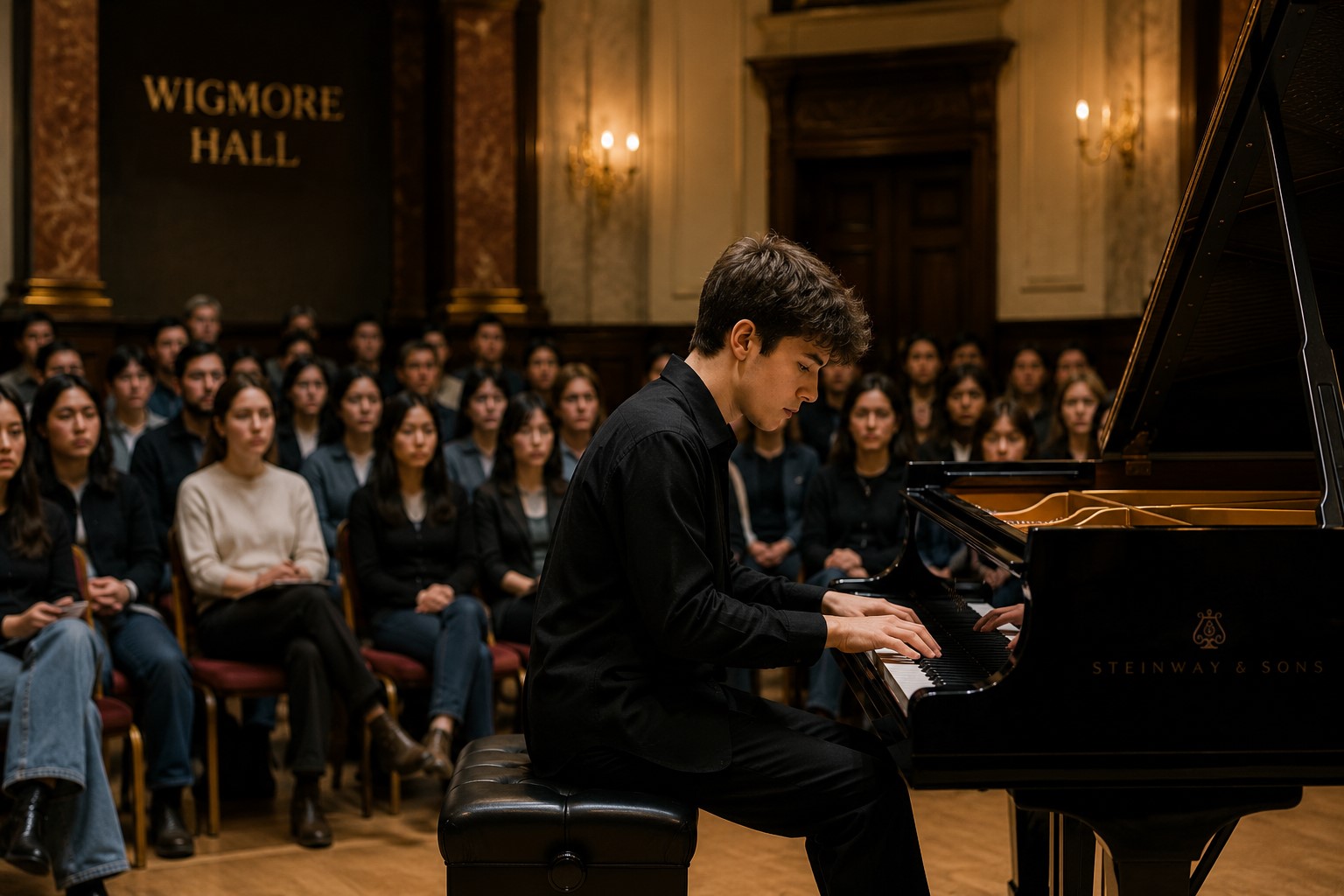
For years, classical music has been viewed as an art form dominated by older audiences. But new research and changing audience trends suggest that younger generations are increasingly reshaping the future of concert halls and live performances.
A recent report, Classical Pulse 2026: Classical Music Consumption Insights, surveyed 8,000 people across 10 countries and found that millennials and Gen Z audiences are becoming a growing force in classical music attendance. While Britain overall ranks relatively low in Europe for classical concert participation, younger listeners are increasingly filling seats once occupied by older generations. At major events such as the Proms, around 40 per cent of audiences are now under 40, while one in five attendees are under 30.
One venue that reflects this changing landscape is London’s renowned Wigmore Hall. Widely regarded as one of the world’s leading venues for chamber music, the hall has experienced growing audience numbers at a time when many arts organisations face financial pressure and funding challenges.
Its success has surprised many observers. Last year, while arts institutions across the UK faced significant financial pressures, Wigmore Hall announced it would step away from public subsidy, citing strong audience growth and financial stability.
Several factors appear to be driving younger audiences through the doors. Affordable pricing has played a major role, with £5 tickets available for under-35s helping remove financial barriers. Livestreamed performances have also broadened accessibility, allowing younger audiences to engage with performances online before attending in person.
UKEcho News brings you accurate, independent reporting from across the UK and beyond.
Comments (0)
Sign in to join the discussion.
Be the first to comment.