England and Wales Record Driest July Ever as UK Water Risks Grow
LONDON — Britain is facing a fresh water warning after England and Wales recorded their driest July since rainfall records began in 1836, adding to growing concerns over drought and water security.
England received just 6.5mm of rain during July, equivalent to around 10% of its usual rainfall for the month. Wales also recorded its driest July on record, while Northern Ireland experienced its eighth-driest July.
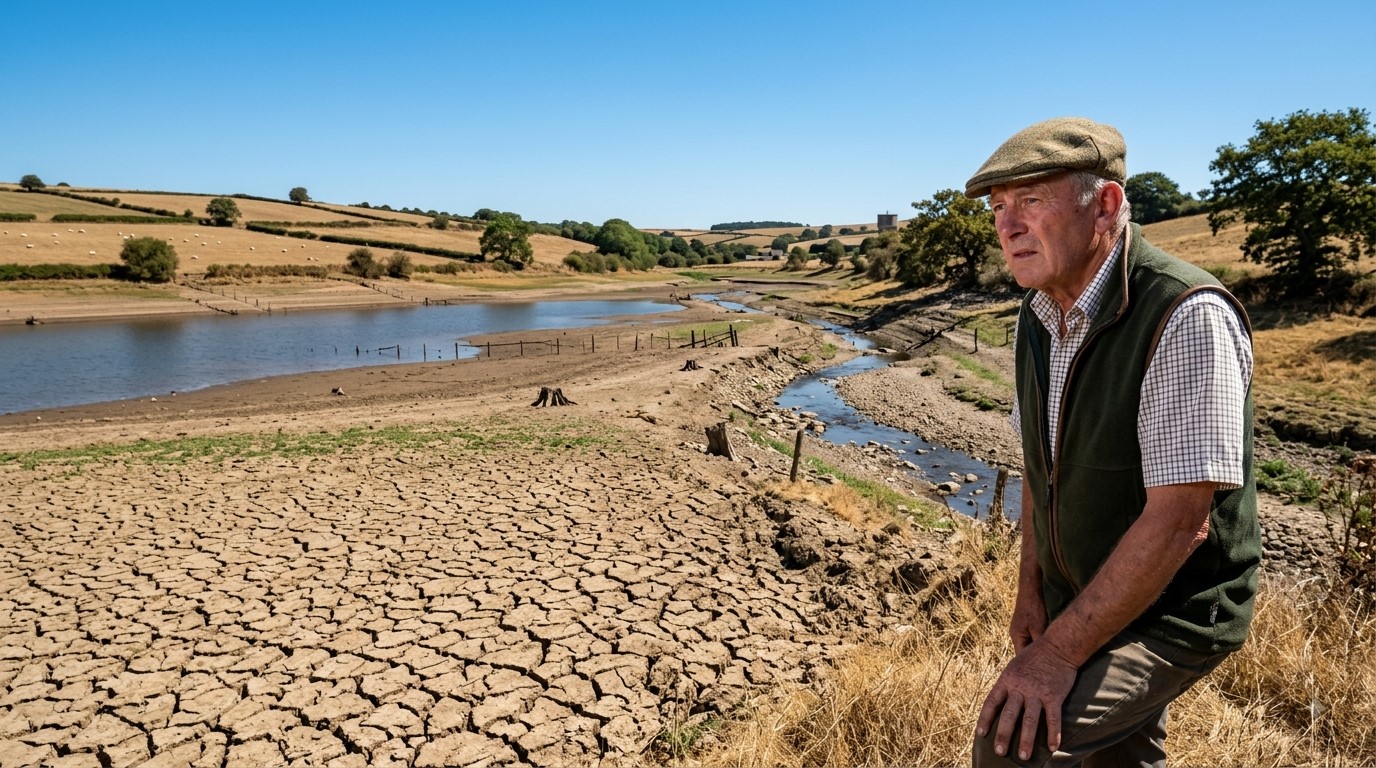
The exceptionally dry conditions have been accompanied by repeated periods of extreme heat, leaving soils severely depleted of moisture and putting additional pressure on rivers, reservoirs and groundwater.
The rainfall figures provide a stark picture of how unusual Britain's summer weather has become.
Southern England has been particularly badly affected, with some locations receiving almost no measurable rainfall during July. The prolonged dry spell has increased pressure on farmers and water companies while contributing to restrictions on water use in several regions.
The Environment Agency has previously warned that prolonged dry conditions are affecting agriculture, river flows and water resources, with some areas experiencing exceptionally low river levels.
The latest figures also raise questions about Britain's ability to manage long-term water security as extreme weather becomes more frequent.
For households, the immediate concern is whether restrictions could become more widespread if significant rainfall fails to arrive. For farmers, continued dry conditions could affect crop yields, irrigation and livestock supplies.
The record-breaking July is therefore more than a weather statistic—it is another warning about Britain's growing vulnerability to prolonged drought.
With August rainfall still uncertain in parts of the country, attention is now turning to whether the UK can receive enough rain to begin rebuilding depleted water resources before the next period of extreme weather.
UKEcho News brings you accurate, independent reporting from across the UK and beyond.
Comments (0)
Sign in to join the discussion.
Be the first to comment.