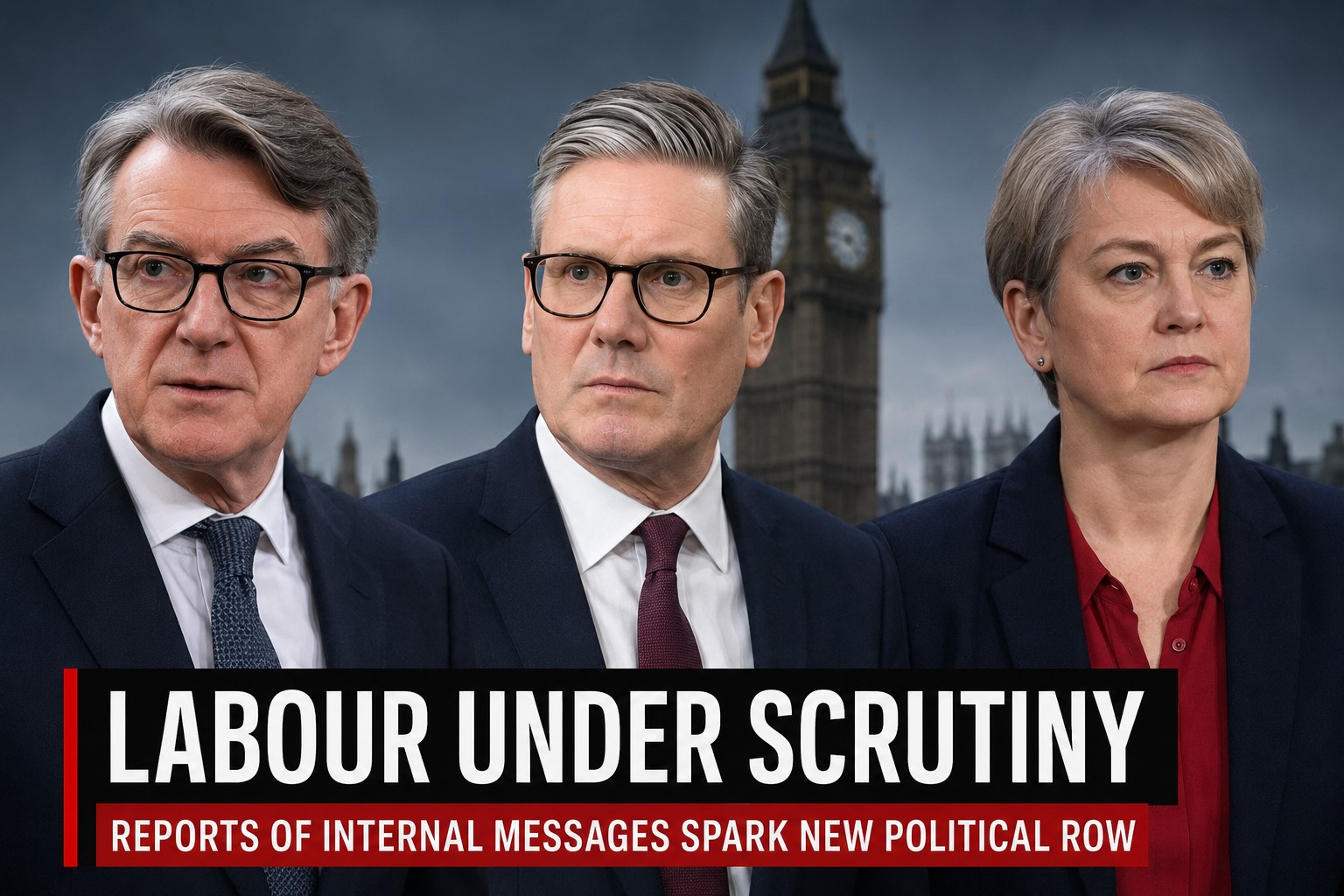
The Labour Party is facing renewed political attention following reports surrounding internal communications involving senior party figures and key government ministers.
The developments have triggered fresh debate across Westminster, with political opponents and commentators calling for greater transparency regarding discussions that took place behind the scenes during critical periods of policy and political decision-making.
The controversy has reignited questions about accountability, leadership, and the role of private communications in shaping major political decisions. As scrutiny intensifies, Labour leaders are facing pressure to address concerns while maintaining focus on government priorities.
Political analysts note that internal messaging between senior figures often becomes a focal point when questions emerge about policy direction, strategic planning, or decision-making processes. Such revelations can influence public perception and fuel wider political debate.
The issue comes at a time when the government is already managing challenges related to the economy, public services, and international affairs. Opposition parties are expected to use the controversy to demand further explanations and increase pressure on senior officials.
Supporters argue that private communications are a routine part of government and party operations, while critics contend that transparency remains essential to maintaining public trust in political institutions.
As Westminster continues to examine the implications of the reports, the story is likely to remain a significant talking point across British politics in the coming days.
The latest developments underline the increasingly intense scrutiny faced by political leaders in an era where private communications can rapidly become matters of public interest.
UKEcho News brings you accurate, independent reporting from across the UK and beyond.
Comments (0)
Sign in to join the discussion.
Be the first to comment.