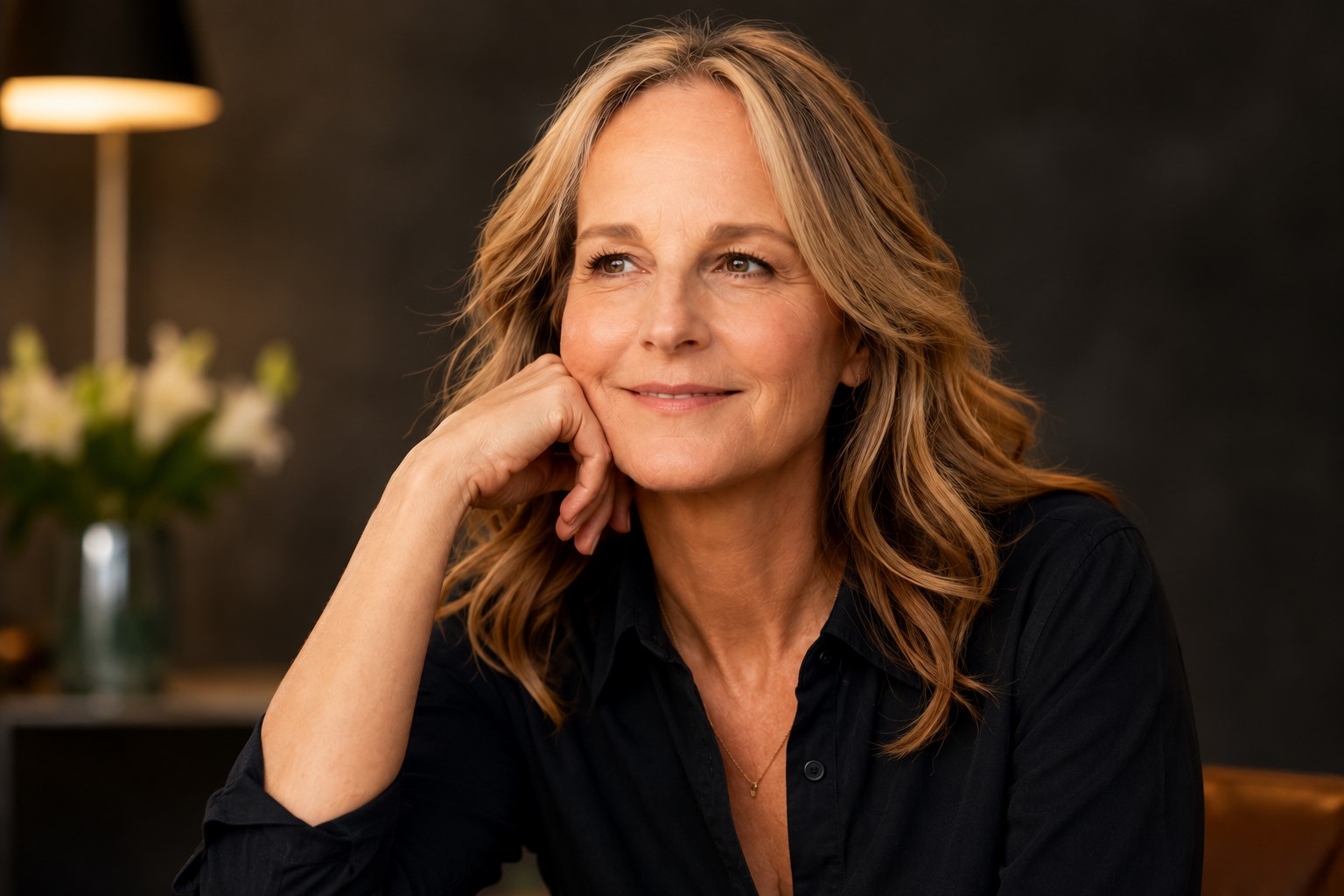
Academy Award-winning actress Helen Hunt is embarking on a major new chapter in her career as she makes her Royal Shakespeare Company (RSC) debut in The Cherry Orchard. Starring alongside Kenneth Branagh and Bill Pullman, Hunt takes on the role of Madame Ranevskaya, an aristocratic landowner facing personal loss and the collapse of her family's estate. Speaking from Stratford-upon-Avon ahead of the production, Hunt described the role as one of the most challenging of her career, praising director Tamara Harvey's vision and expressing her excitement about joining one of the world's most prestigious theatre companies.
Although The Cherry Orchard was written more than a century ago, Hunt believes its themes remain deeply relevant. While the play explores class divisions and the decline of the Russian aristocracy, she sees its core message as something more universal—the fear of change and the difficult choices people make when their own comfort is threatened. She explained that her character is both compassionate and deeply flawed, benefiting from a system that harms others while carrying the emotional burden of profound personal tragedy. Hunt believes these timeless human struggles are what continue to make Chekhov's work resonate with modern audiences.
Reflecting on her lifelong acting career, Hunt revealed that she never originally planned to become an actress. She first attended acting classes simply because her aunt, who grew up alongside her like a sister, was enrolled in them. That childhood experience unexpectedly launched a career spanning more than five decades. Even today, Hunt says she still considers herself a student of acting and continues to challenge herself by working with great playwrights and directors. She also turned to writing and directing when meaningful roles became scarce, particularly as Hollywood offered fewer substantial opportunities for women.
Hunt also addressed the realities of working in the entertainment industry, acknowledging that actresses often face pressure related to age and appearance. Rather than trying to conform to changing industry standards, she believes artists must continue creating meaningful work regardless of outside opinions. For her, storytelling has always been more important than fame or recognition, and she chooses projects based on the strength of the script rather than the size of the role or financial rewards.
Discussing the changing experience of live theatre, Hunt expressed concern about audiences becoming distracted by smartphones during performances. She encouraged theatre-goers to fully immerse themselves in the moment instead of watching productions through phone screens, arguing that live performances offer an emotional connection that cannot be captured digitally. Having grown up surrounded by actors and theatre professionals through her father, Hunt says she has always appreciated the unique atmosphere of live storytelling and the collaborative process behind every production.
One of Hunt's most memorable reflections centered on why she has never grown tired of acting. Inspired by legendary Royal Shakespeare Company voice coaches and teachers, she explained that studying playwrights such as Shakespeare and Chekhov continually reveals new layers of meaning. "You're never good enough to get bored," she said, emphasizing that great literature offers endless opportunities for learning and artistic growth. That philosophy has guided her throughout a career that includes acclaimed performances in As Good As It Gets, Twister, numerous television projects, and now one of theatre's greatest classics.
Looking back on winning the Academy Award for As Good As It Gets, Hunt described the experience as both thrilling and overwhelming. While grateful for the recognition, she believes artistic performances cannot truly be measured against one another, recalling how she praised her fellow nominees during her acceptance speech.
UKEcho News brings you accurate, independent reporting from across the UK and beyond.
Comments (0)
Sign in to join the discussion.
Be the first to comment.