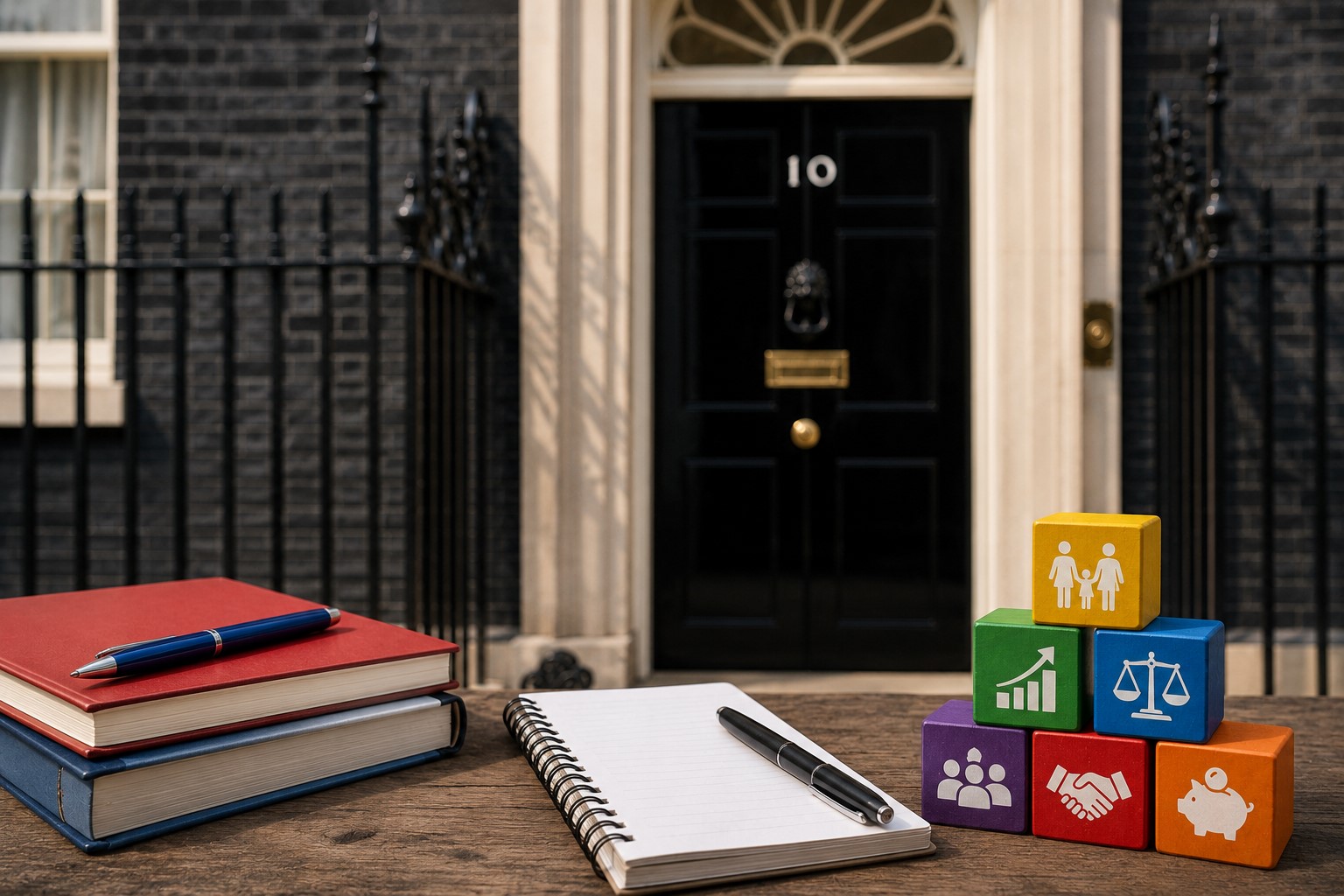
As the new prime minister prepares to enter 10 Downing Street, campaigners and policy experts argue that his first 100 days in office should focus on two pressing challenges: tackling child poverty and restoring trust in British politics. With schools closing for the summer holidays in England and Wales, millions of children from low-income families face weeks without access to school meals, structured activities, or adequate childcare. Charities warn that many young people will experience loneliness, food insecurity, and increased hardship during the holiday period, making child welfare one of the government's most urgent responsibilities.
Alongside growing concerns over child poverty, there are renewed calls for sweeping reforms to political funding. Critics argue that large donations from wealthy individuals, corporations, and interest groups continue to undermine public confidence in the political system. Recent controversies surrounding donations to political parties have intensified demands for stricter limits on campaign contributions and greater transparency over who finances Britain's political landscape.
Supporters of reform are urging the government to strengthen upcoming electoral legislation by introducing a universal cap on political donations rather than focusing solely on overseas contributions. Advocacy groups say a small number of wealthy donors currently wield disproportionate influence over elections and policymaking, while pointing to countries such as France, where tighter restrictions on political donations are already in place. They argue that limiting the role of big money in politics would help restore public trust and create a more level democratic system.
The debate extends beyond private donors to include trade union funding and other organised interests. Some analysts believe reforms should apply equally to all major sources of political finance to ensure fairness across the political spectrum. They argue that political parties should be less dependent on powerful financial backers and more accountable to ordinary voters.
Concerns about economic inequality also feature prominently in the discussion. Research consistently shows that many Britons believe the wealthiest individuals have excessive influence over political decisions. Campaigners argue that tax policy should focus on fairness, including reviewing capital gains taxation and high-value property taxes, while rejecting claims that such measures would disproportionately affect middle-income households. They contend that carefully targeted reforms could generate additional revenue for public services while addressing widening wealth disparities.
Supporters of Project Burnham believe the incoming government has an opportunity to combine social investment with democratic reform. They argue that reducing child poverty, improving public services, increasing transparency in political funding, and pursuing fairer taxation would help rebuild confidence in government and demonstrate a commitment to both economic justice and accountable leadership. As the new administration begins its first months in office, these issues are expected to remain central to the national political debate.
UKEcho News brings you accurate, independent reporting from across the UK and beyond.
Comments (0)
Sign in to join the discussion.
Be the first to comment.