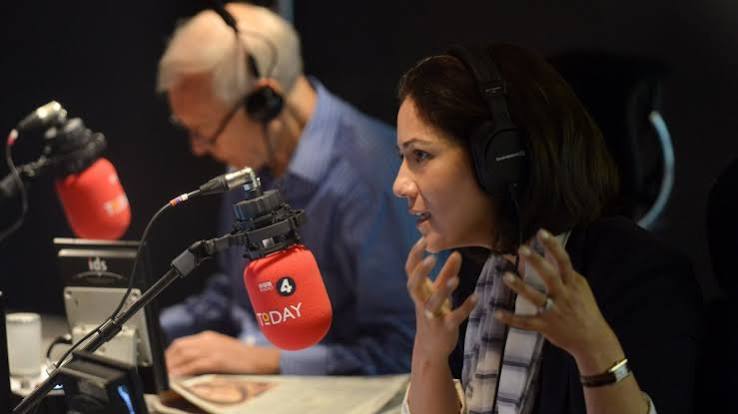
Seven years after leaving BBC Radio 4’s Today programme, veteran broadcaster John Humphrys says listening to the station has become a very different experience—one that often leaves him more frustrated than informed.
Humphrys admits he originally planned to leave the programme behind altogether and switch to Radio 3 after stepping away from broadcasting. However, decades spent covering news and presenting Today made it impossible to break the habit, transforming him into what he describes as a highly critical listener.
While he praises the programme’s current main presenters for their professionalism, Humphrys argues that smaller changes in presentation style have gradually become increasingly distracting.
Among his biggest criticisms is what he sees as excessive emphasis on certain words during interviews and news bulletins, particularly articles such as "a" and "the." He suggests these speech patterns have become repetitive enough to distract from the substance of the reporting.
Humphrys also questions the growing tendency for interviewers and guests to exchange lengthy expressions of gratitude before and after interviews. In his view, these polite exchanges often feel unnecessary and add little value to a programme known for direct, serious journalism.
Another habit he highlights is presenters discussing interviews among themselves immediately after they conclude. He believes audiences are capable of interpreting interviews without additional commentary from the hosts.
The veteran broadcaster also criticises the frequent use of conversational filler phrases such as "you know" and "I mean," arguing that they interrupt the flow of interviews and weaken the programme's traditionally sharp style.
Despite his frustrations, Humphrys acknowledges that Today remains one of the most successful and influential news programmes in British broadcasting. However, he warns that continued budget reductions at the BBC risk affecting the programme's ability to deliver fresh, original journalism, leaving it increasingly dependent on previously aired reports.
His reflections offer a personal perspective on how one of the UK's most prominent news programmes has evolved, while also raising broader questions about broadcasting standards, presentation styles and the future of public service journalism.
UKEcho News brings you accurate, independent reporting from across the UK and beyond.
Comments (0)
Sign in to join the discussion.
Be the first to comment.