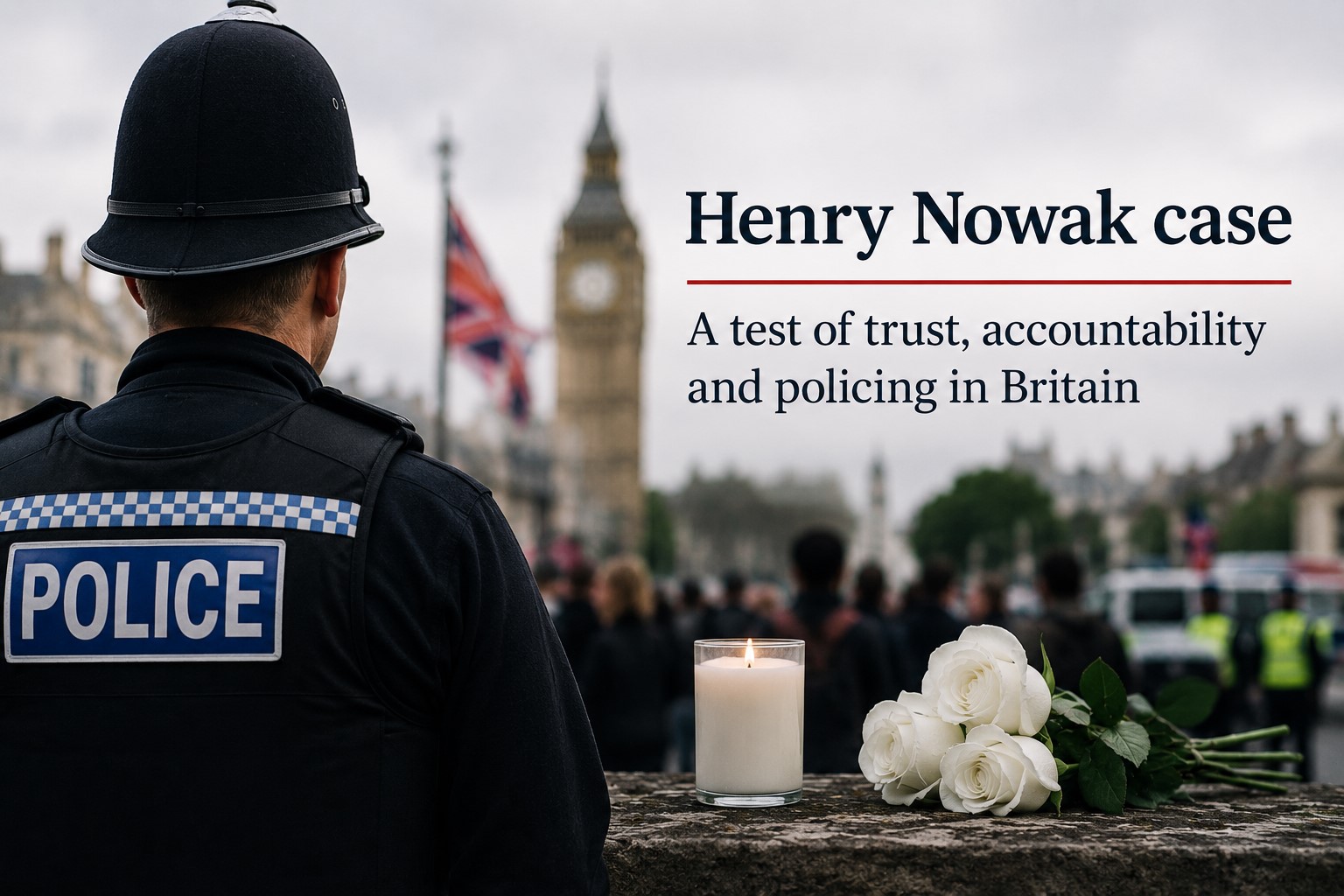
The public reaction to the Henry Nowak case has become about far more than a single tragic incident. It has evolved into a wider debate about policing, political leadership, accountability, and the relationship between public institutions and the communities they serve.
Bodycam footage showing the final moments before the teenager's death has triggered intense scrutiny of police actions and renewed concerns about how authorities respond during critical situations. The controversy has also placed significant pressure on political leaders to address growing public frustration.
At the heart of the debate lies a fundamental question: how can trust be maintained when confidence in public institutions is under strain?
The case has sparked protests, political interventions, and demands for greater transparency. While investigations continue, many observers argue that the public response reflects broader anxieties about accountability and the effectiveness of modern policing.
Supporters of law enforcement stress the challenges officers face when responding to fast-moving emergencies. Critics, however, contend that public confidence depends on clear explanations, transparency, and a willingness to confront mistakes when they occur.
The political reaction has been equally significant. Ministers, opposition figures, and local leaders have all faced pressure to respond to public concerns while avoiding actions that could prejudice ongoing investigations.
The Henry Nowak case highlights a wider challenge facing governments across democratic societies: balancing public order, accountability, and trust. In an age of social media and instant access to video evidence, public expectations for transparency are higher than ever.
As official investigations continue, the debate is likely to remain a major issue in British public life. The outcome may influence not only policing practices but also broader discussions about governance, accountability, and public confidence in institutions.
Ultimately, restoring trust will require more than statements and promises. It will depend on openness, evidence, and a willingness to address the concerns that have brought this case into the national spotlight.
UKEcho News brings you accurate, independent reporting from across the UK and beyond.
Comments (0)
Sign in to join the discussion.
Be the first to comment.