Inside Britain’s Growing Blood Pressure Pill Crisis: Why Your Daily Cocktail of Drugs Might Be Doing More Harm Than Good
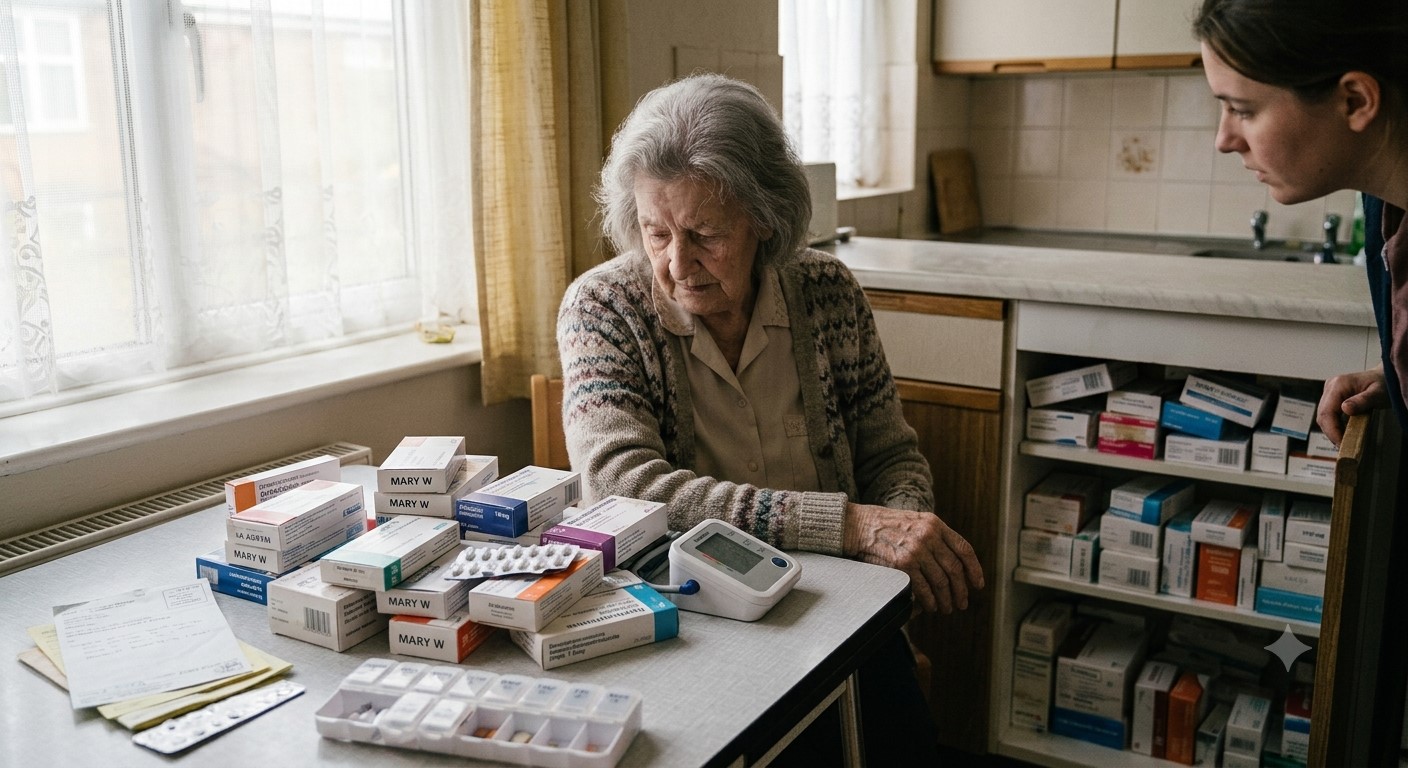
A routine home visit to an elderly patient named Mary revealed a stark reality about Britain’s growing reliance on blood pressure medications. Despite having sky-high blood pressure readings, Mary was sitting on a massive hoard of unused prescription drugs delivered to her home every month.
While Mary understood the severe health risks associated with hypertension and was not opposed to taking medicine, unpleasant side effects had quietly derailed her treatment plan.
How the Prescribing Vicious Cycle Unfolds
- Unspoken Side Effects: After experiencing severe ankle swelling from her very first blood pressure medication, Mary stopped taking it regularly—dropping her intake to once a week or less.
- The Communication Gap: Reluctant to report the side effects to her GP, Mary simply kept her quiet non-compliance to herself during routine checkups.
- Cascading Prescriptions: Seeing that her blood pressure remained dangerously elevated, her doctor assumed the initial dose was insufficient and prescribed a second—and eventually a third—medication, compounding the hidden stockpile in her cupboard.
The Hidden Dangers of Polypharmacy
This common pattern highlights a systemic issue within modern healthcare: prescribing additional drugs to compensate for unmanaged symptoms rather than addressing initial tolerability.
When patients silently stop taking their medication due to side effects—ranging from persistent dry coughs and swollen ankles to sudden, mysterious fainting spells—they risk severe blood pressure spikes. Conversely, if a patient suddenly resumes taking a full "cocktail" of stockpiled pills all at once, they face immediate risks of severe hypotension, dizziness, and dangerous falls.
UKEcho News brings you accurate, independent reporting from across the UK and beyond.
Comments (0)
Sign in to join the discussion.
Be the first to comment.