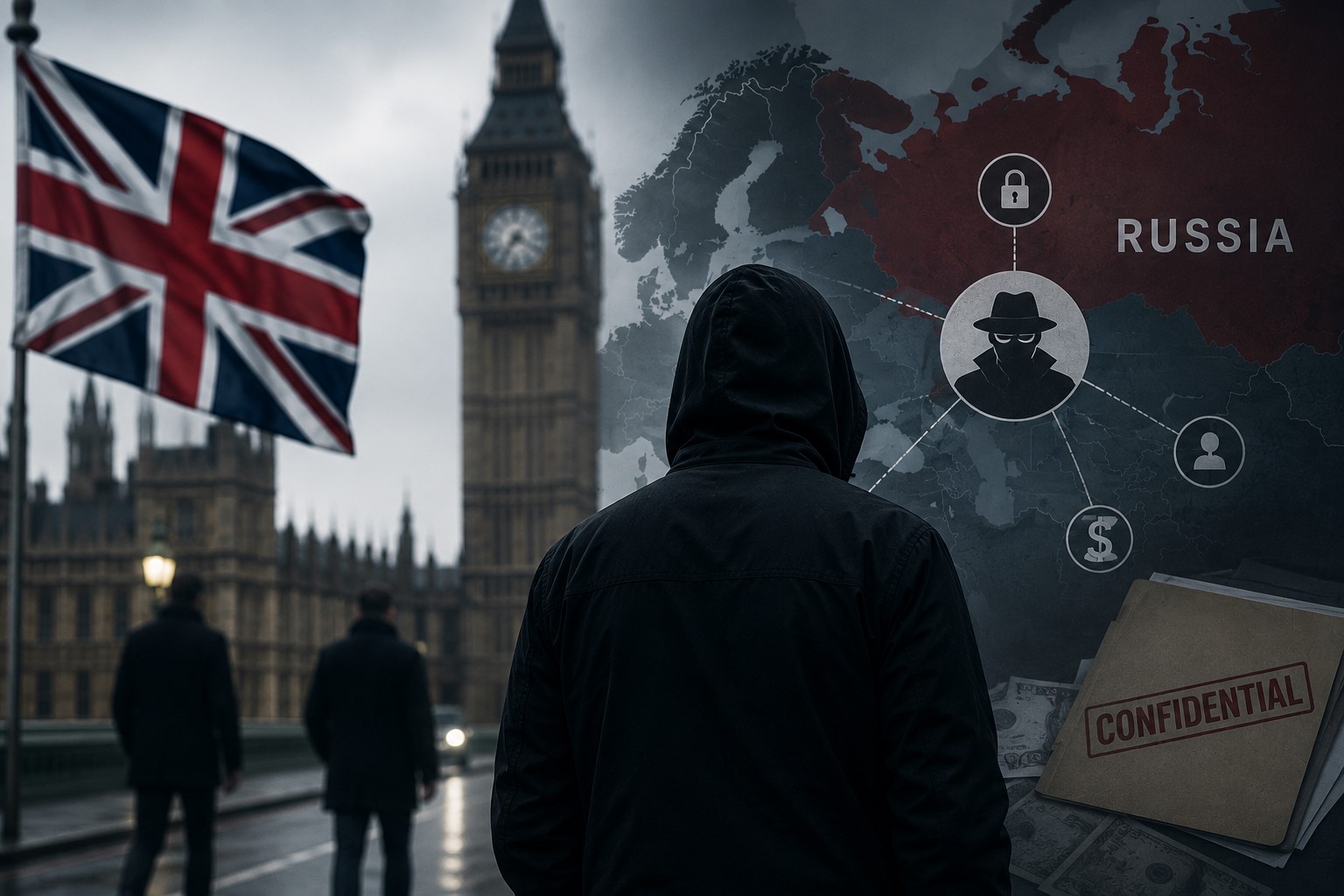
Inside the Criminal Networks Accused of Bringing Russia’s Shadow Conflict to UK Streets
British security officials and intelligence experts have increasingly raised concerns about criminal networks allegedly linked to Russian interests operating across Europe, with fears that organised groups are being used to spread disruption, intimidation and instability far beyond traditional battlefields.
While direct military conflict remains distant from UK streets, experts warn that modern geopolitical competition increasingly plays out through less visible tactics — including cyber activity, disinformation campaigns, sabotage investigations and alleged links with organised crime networks.
Security analysts say these operations often rely on informal structures rather than official state institutions, making them harder to detect and investigate. Criminal groups, intermediaries and loosely connected actors can provide plausible deniability while carrying out activities that serve wider strategic interests.
Recent investigations across Europe have focused on allegations involving espionage, sabotage plots, cyber crime networks and influence operations. In some cases, authorities have suggested criminal groups may be used to recruit individuals, move money or support covert activities that fall below the threshold of traditional warfare.
The UK has responded by increasing scrutiny of foreign interference, strengthening national security measures and expanding cooperation with allies to monitor emerging threats.
However, specialists caution against viewing every criminal act through a geopolitical lens. Organised crime networks are often motivated primarily by profit, and proving direct links between criminal activity and state interests remains challenging.
UKEcho News brings you accurate, independent reporting from across the UK and beyond.
Comments (0)
Sign in to join the discussion.
Be the first to comment.