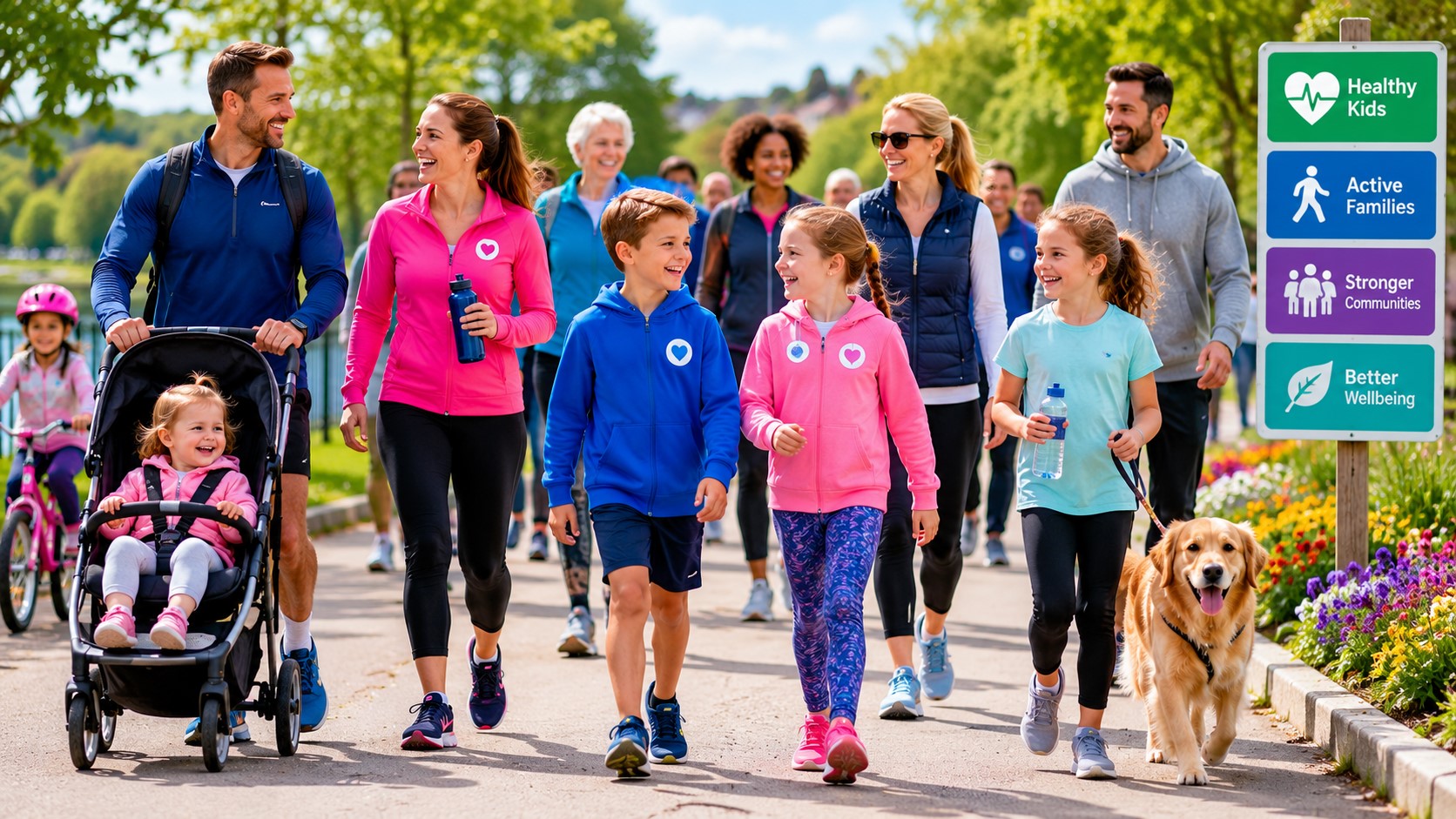
Health experts and child wellbeing researchers are increasingly highlighting the Netherlands as a leading example of how lifestyle, community engagement and physical activity can positively influence children's health and happiness.
Recent attention has focused on a long-standing tradition that encourages children and families to spend time outdoors together through organised walking events and community activities.
Supporters say these initiatives help promote physical fitness, social connection and emotional wellbeing from an early age.
The approach reflects a broader culture that encourages active lifestyles, independent mobility and regular outdoor recreation. Children are often encouraged to walk, cycle and participate in community events that strengthen social bonds while improving overall health.
Healthcare specialists note that physical activity plays a crucial role in childhood development, helping to support cardiovascular health, mental wellbeing and healthy growth.
Research has consistently linked outdoor exercise with reduced stress levels, improved concentration and stronger social relationships among young people.
Public health experts argue that simple activities such as walking can deliver significant benefits when incorporated into daily life and supported by communities and families.
The Dutch model has attracted international interest because it combines health promotion with social participation rather than focusing solely on structured exercise programmes.
Advocates believe community-based activities can help combat modern challenges including sedentary lifestyles, excessive screen time and declining physical activity levels among children.
The emphasis on balance, outdoor experiences and community involvement is often cited as one reason why Dutch children regularly perform well in international wellbeing studies.
Experts say the lessons extend beyond one country, offering valuable insights into how communities can support healthier and happier childhoods through accessible and inclusive activities.
As policymakers and healthcare professionals continue searching for ways to improve child wellbeing, the Dutch experience is increasingly viewed as an example of how everyday habits can contribute to long-term health outcomes.
The growing focus on active lifestyles, family participation and mental wellbeing highlights the importance of preventive healthcare strategies that begin in childhood.
UKEcho News brings you accurate, independent reporting from across the UK and beyond.
Comments (0)
Sign in to join the discussion.
Be the first to comment.