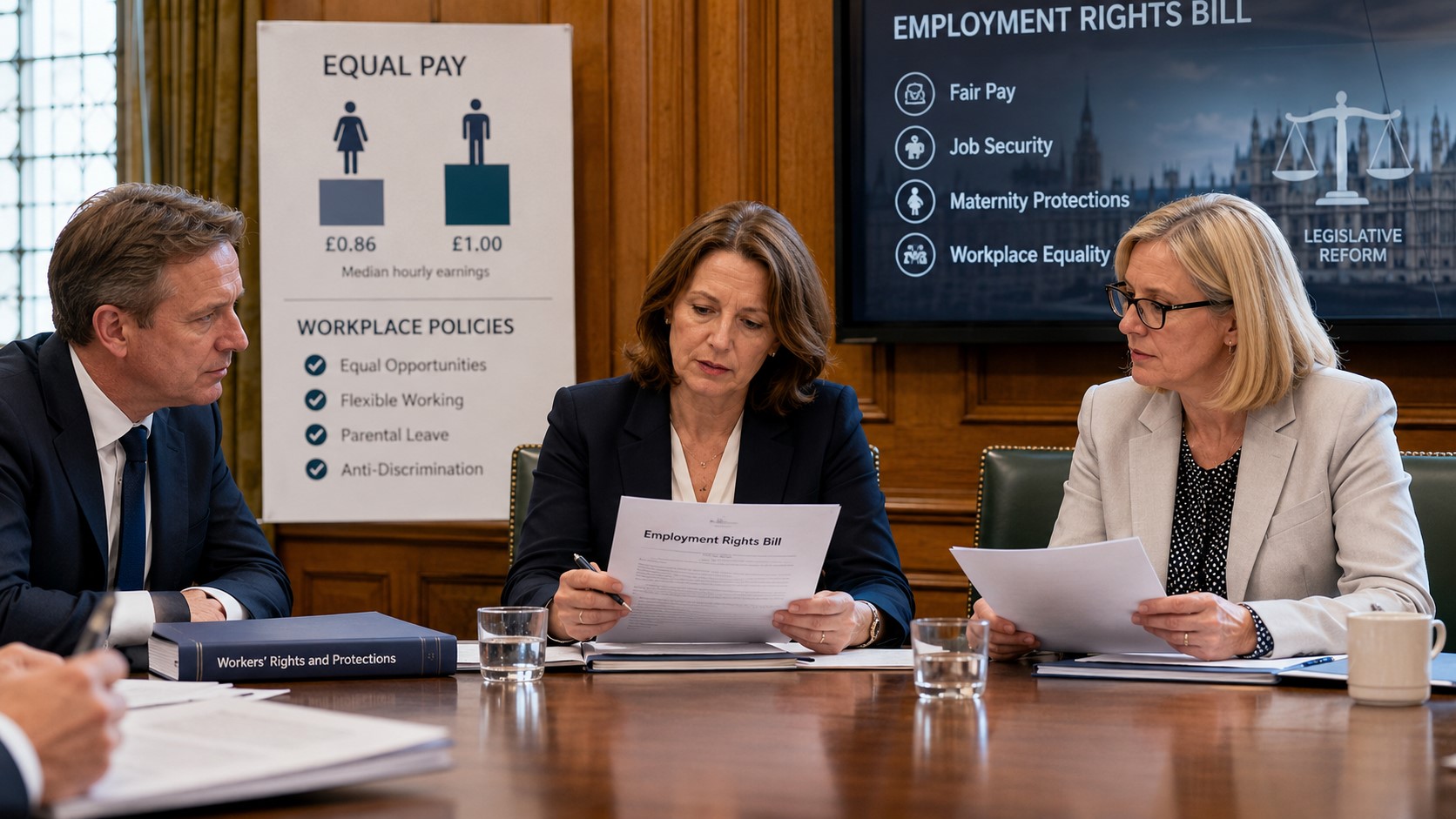
A new political row has emerged over proposed changes to equality and employment legislation, with supporters and critics clashing over the future of workplace protections for women.
The debate centres on proposals that supporters say would modernise legal protections for women and mothers, while opponents argue the plans could weaken existing safeguards that have been built up over decades.
Trade unions and campaign groups have raised concerns that changes to current equality legislation could affect how equal pay claims are assessed and enforced in the future.
The controversy comes at a politically sensitive time as parties seek to strengthen support among voters ahead of key electoral contests.
Supporters of reform argue that existing laws should focus more clearly on direct cases of discrimination and provide stronger support for maternity protections and family rights.
Critics, however, contend that current legislation already provides important mechanisms for challenging pay disparities and ensuring fair treatment in the workplace.
A central issue in the debate involves the principle of equal pay and whether future legal frameworks would continue to offer protection in situations where different roles require comparable levels of skill, responsibility and effort.
Employment rights advocates warn that any reduction in existing protections could have long-term consequences for workplace equality and gender pay fairness.
The discussion has also broadened into wider questions surrounding discrimination law, maternity protections and the future direction of employment policy in the UK.
Political opponents have accused supporters of the proposals of attempting to roll back established rights, while defenders argue that their objective is to simplify and strengthen legal protections.
The issue has become increasingly prominent in campaign discussions, highlighting broader disagreements about equality legislation, labour market regulation and the role of government in protecting workplace rights.
As the political debate intensifies, questions surrounding equal pay, maternity rights and employment protections are likely to remain major issues for voters and policymakers alike.
The outcome of the discussion could influence future legislative proposals and shape how workplace equality policies evolve in the coming years.
UKEcho News brings you accurate, independent reporting from across the UK and beyond.
Comments (0)
Sign in to join the discussion.
Be the first to comment.