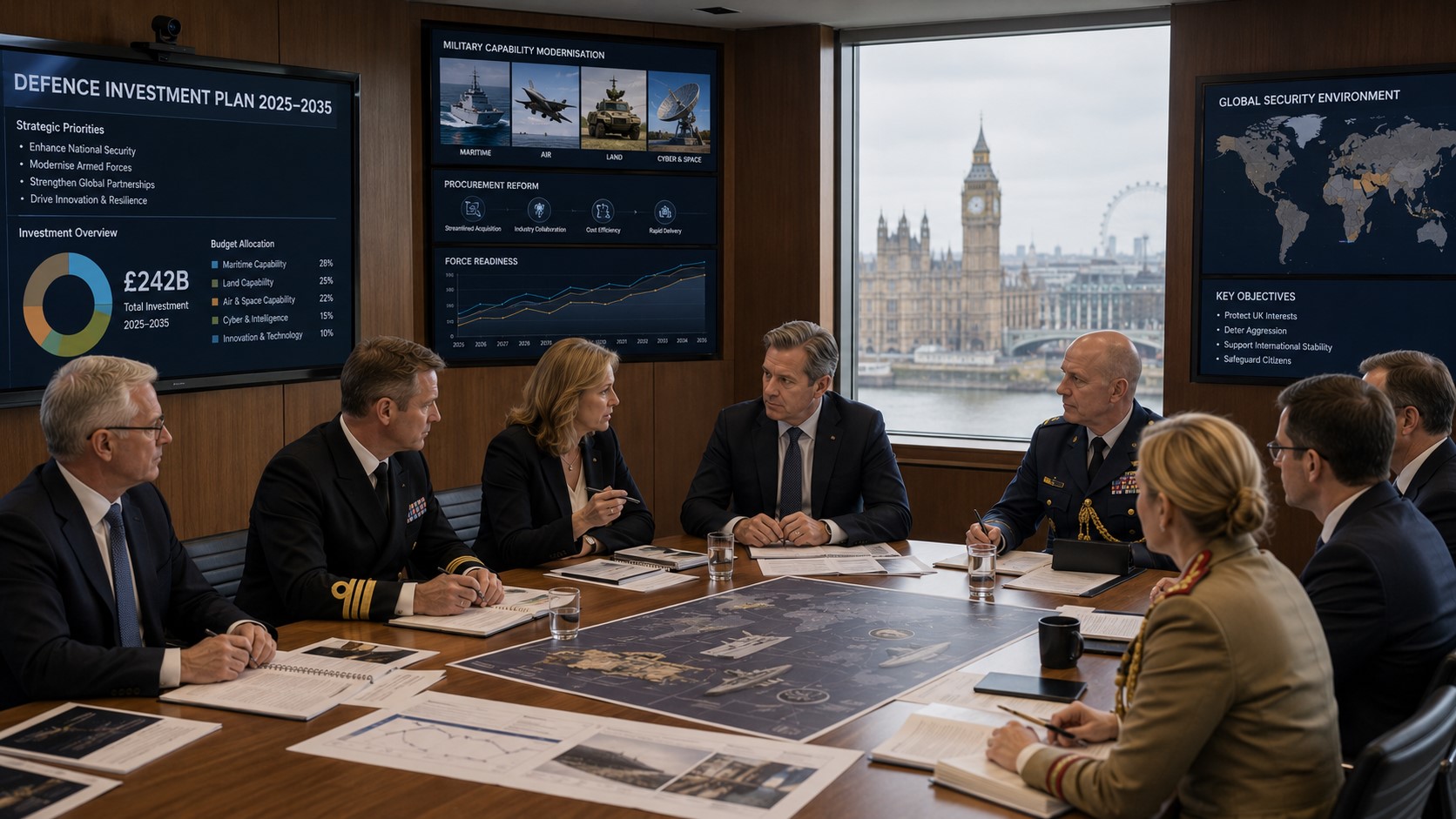
A former government minister has launched a scathing assessment of the Ministry of Defence, arguing that inefficiency, bureaucracy and outdated spending priorities are preventing Britain from getting maximum value from one of the world's largest defence budgets.
Al Carns, who recently stepped down from his ministerial role, warned that significant reforms are needed if the UK is to modernise its armed forces and respond effectively to future security challenges.
He described repeated encounters with what he viewed as unnecessary layers of bureaucracy, claiming that inefficiencies within the system have become deeply embedded over many years.
The comments come amid continuing debate over Britain's long-term defence investment strategy and how resources should be allocated across military programmes.
Carns argued that policymakers must be willing to challenge traditional procurement decisions and reassess projects that may no longer offer the best value in a rapidly changing security environment.
A central concern raised during the debate is whether future defence spending should prioritise emerging technologies, including advanced surveillance systems, autonomous platforms and next-generation battlefield capabilities, rather than focusing heavily on legacy equipment programmes.
Supporters of reform argue that modern conflicts increasingly require agility, innovation and technological adaptation rather than reliance on traditional military structures alone.
The criticism arrives at a politically sensitive moment as government ministers prepare to finalise major defence investment plans ahead of key international security discussions.
Questions surrounding procurement efficiency have become increasingly prominent as governments across Europe seek to strengthen defence capabilities while also managing fiscal pressures and public spending commitments.
Carns also warned that political leaders face difficult choices over how resources are allocated, arguing that delayed reforms could leave the UK less prepared to respond to future geopolitical challenges.
The debate highlights broader concerns about how Britain balances military modernisation, taxpayer value and national security priorities in an increasingly uncertain global environment.
As ministers continue to review defence spending plans, the discussion is likely to intensify, with pressure growing for greater transparency, faster procurement processes and stronger accountability across major defence projects.
The outcome could influence not only future military capabilities but also the wider political debate surrounding government spending, national security and public sector reform.
UKEcho News brings you accurate, independent reporting from across the UK and beyond.
Comments (0)
Sign in to join the discussion.
Be the first to comment.