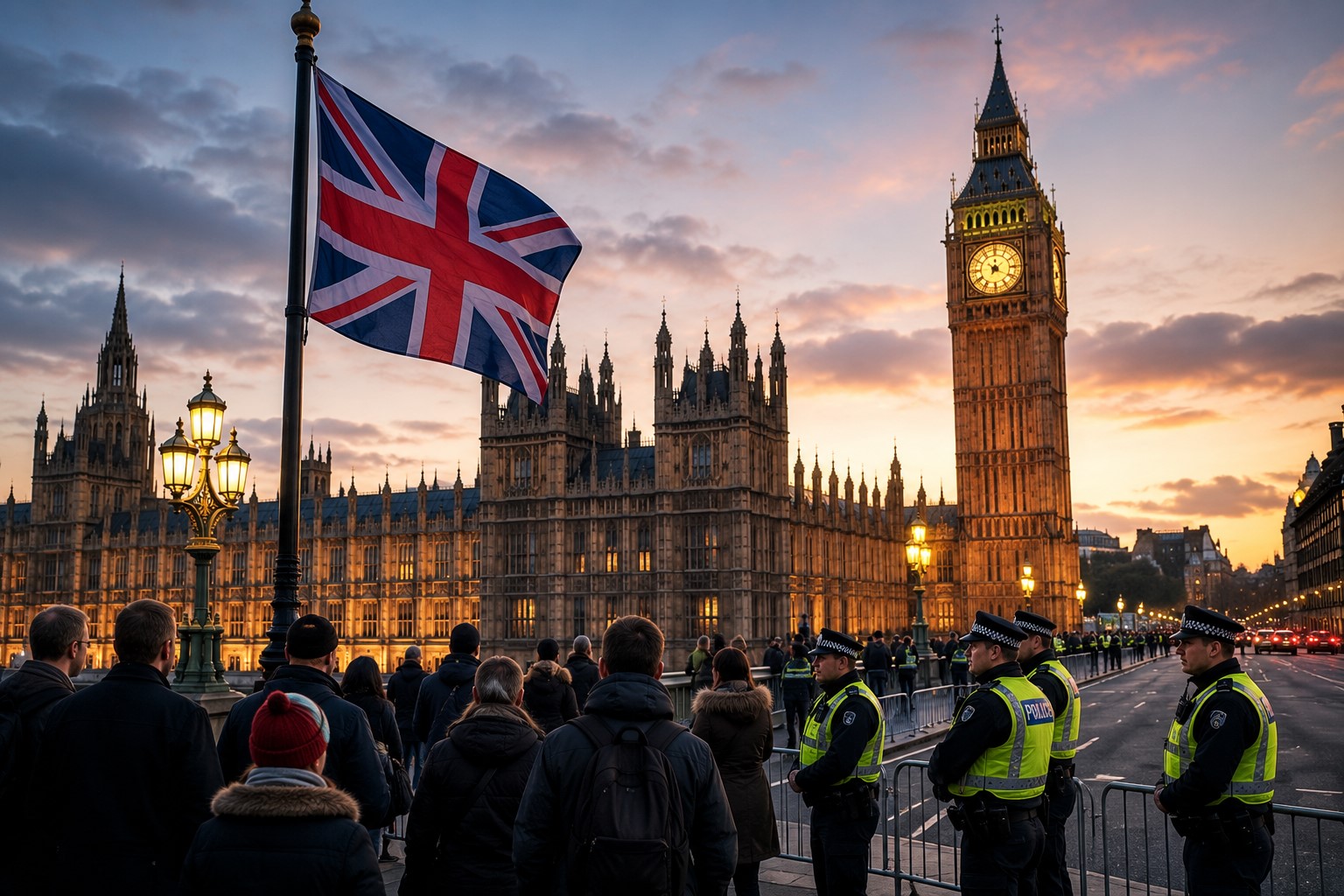
Political violence has become one of the most serious challenges facing the United Kingdom's democratic system. Recent attacks on public figures have renewed concerns about the safety of elected representatives and the increasingly hostile environment in which political debate now takes place.
While disagreement and criticism are fundamental to any democracy, threats, intimidation and acts of violence undermine public trust and discourage individuals from participating in public life. Many current and former politicians have reported rising levels of abuse, both online and in person, with security becoming an increasingly important part of political campaigning and constituency work.
The issue extends beyond the safety of politicians. When public officials fear for their security, opportunities for direct engagement with voters may become more limited. Community events, public meetings and open constituency surgeries—long considered essential elements of British democracy—could become less accessible if security concerns continue to grow.
Political analysts argue that the rise of misinformation, social media hostility and increasingly polarized public discourse has contributed to a more confrontational political climate. Although robust debate is a cornerstone of democratic society, there is growing concern that personal attacks and extremist rhetoric can fuel real-world violence.
Law enforcement agencies and political leaders have repeatedly emphasized that acts of violence against elected representatives are attacks on democratic institutions themselves. They have called for greater cooperation between government, technology companies, law enforcement and civil society to combat online threats, improve security measures and encourage respectful public discourse.
At the same time, experts caution that stronger security should not create greater distance between politicians and the communities they represent. Maintaining public accessibility while ensuring safety will remain one of the key challenges for future governments.
Protecting democracy requires more than physical security. It also depends on promoting civic education, encouraging respectful political discussion and ensuring that disagreements are resolved through democratic processes rather than intimidation or violence.
As the UK continues to confront these challenges, the responsibility falls on political leaders, institutions, media organizations and the public alike to defend democratic values and reject any form of political violence. A healthy democracy depends not only on free elections but also on an environment where individuals can participate in public life without fear.
UKEcho News brings you accurate, independent reporting from across the UK and beyond.
Comments (0)
Sign in to join the discussion.
Be the first to comment.