Britain’s transition toward a net-zero energy system is creating an unexpected challenge: generating more electricity than the country can use at certain times. The growing surplus has led to periods when electricity prices fall below zero, forcing energy suppliers to pay consumers and neighboring countries to absorb excess power.
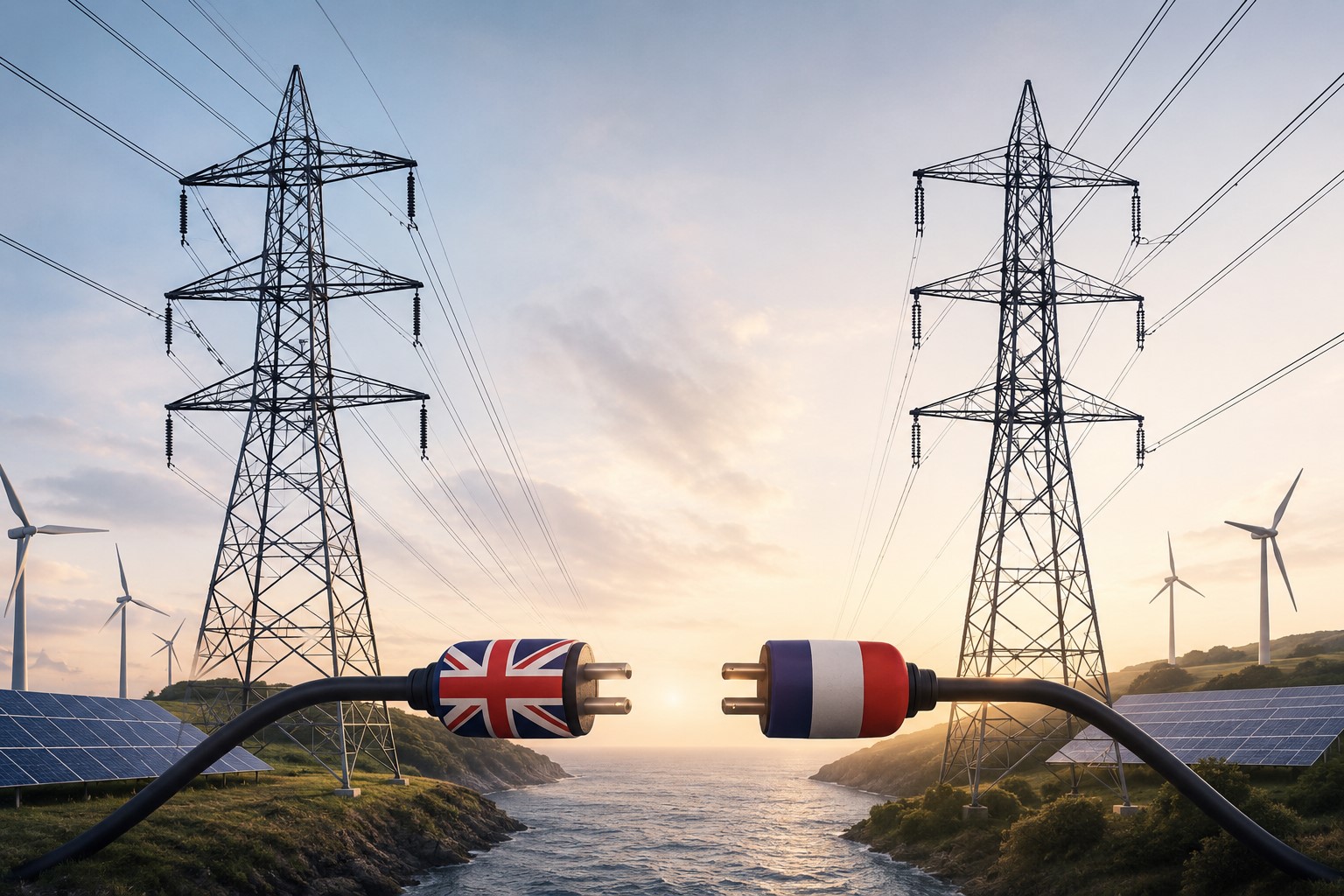
Negative electricity pricing has become increasingly common in the UK. During these periods, some households on flexible tariffs can effectively receive free electricity or even be paid to use power for activities such as charging electric vehicles or running household appliances. Excess energy is also exported to countries including France, the Netherlands, Belgium, Ireland, and Norway through cross-border power connections.
Industry analysts say the phenomenon is becoming more frequent as renewable energy generation continues to expand. Britain has already recorded dozens of hours of negative pricing this year, and experts expect the number to increase significantly over the coming years as additional wind and solar projects come online.
The situation stems from a mismatch between electricity supply and demand. Over the past decade, the UK has rapidly increased renewable energy capacity while electricity consumption has not grown as expected. Forecasts once anticipated rising demand driven by electrification and economic growth, but factors such as deindustrialization and slower adoption of technologies like electric vehicles and heat pumps have reduced overall energy consumption.
At the same time, many renewable energy sources continue producing power even when demand is low. Nuclear plants are also difficult to quickly reduce output, contributing to oversupply during certain periods.
While negative prices may appear beneficial for consumers, energy experts caution that they do not automatically translate into lower household bills. A significant portion of electricity costs comes from infrastructure investments, network upgrades, and government-backed subsidies that support renewable and low-carbon energy projects. These costs are expected to rise as the UK expands its electricity grid and continues investing in clean energy technologies.
Critics argue that the growing imbalance highlights weaknesses in long-term energy planning, while supporters maintain that expanding renewable energy remains essential for achieving climate goals and reducing dependence on fossil fuels.
The challenge now facing policymakers is how to better balance renewable energy production, storage capacity, and future electricity demand. Solutions such as large-scale battery storage, smarter grid management, and increased electrification could help absorb surplus power more efficiently and reduce the frequency of negative pricing events.
UKEcho News brings you accurate, independent reporting from across the UK and beyond.
Comments (0)
Sign in to join the discussion.
Be the first to comment.