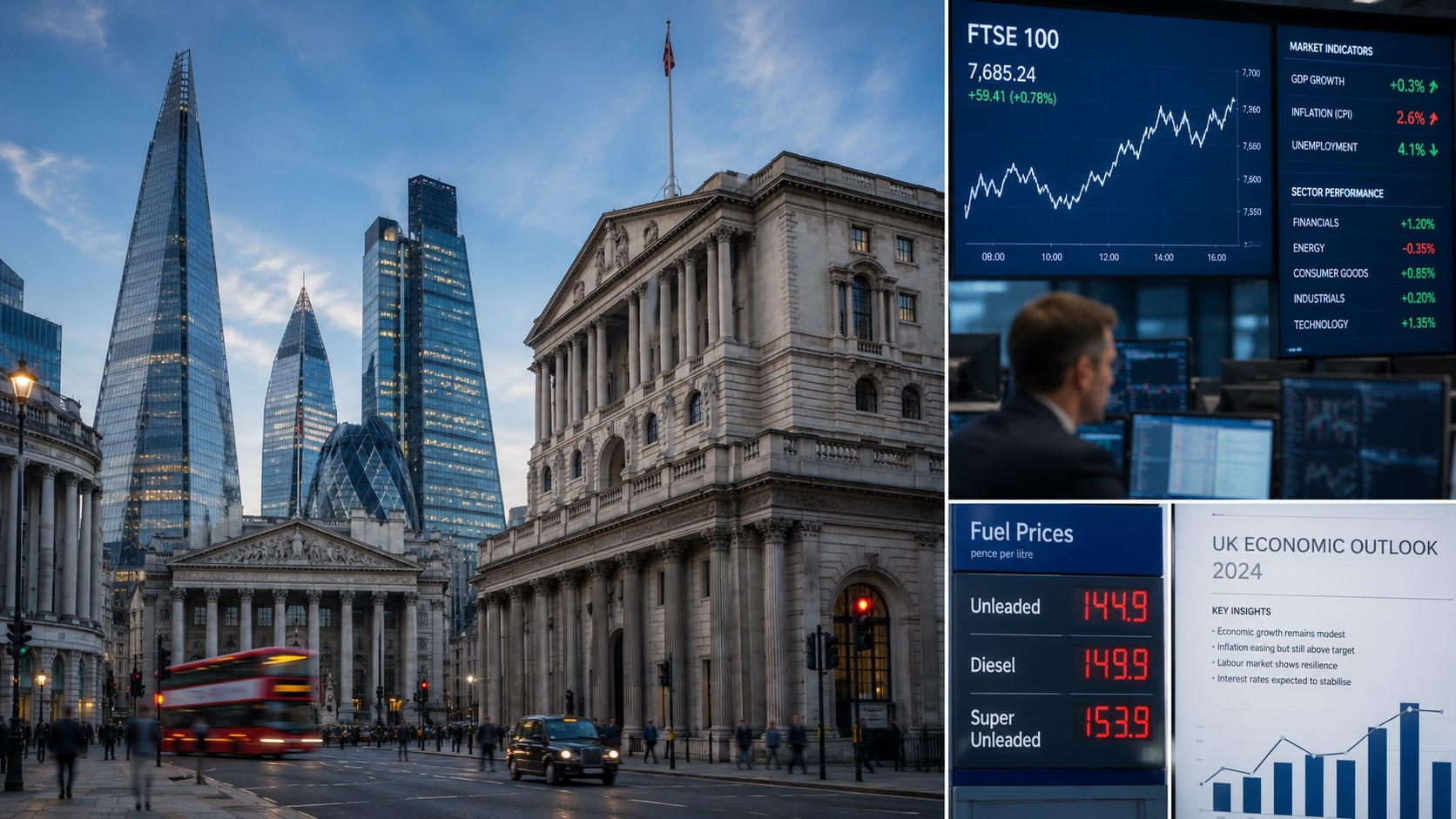
Britain's inflation rate has remained steady despite growing concerns over the economic impact of conflict in the Middle East and higher fuel prices.
The latest figures suggest that consumer prices have not accelerated as sharply as many analysts feared, offering a degree of reassurance for households and businesses facing ongoing cost-of-living pressures.
Economists noted that while fuel costs have risen due to uncertainty in global energy markets, lower food price inflation has helped offset some of the upward pressure on overall consumer prices. This balancing effect has prevented inflation from climbing significantly higher in recent months.
Analysts believe the stability reflects weaker pricing power across many sectors of the economy. Businesses appear less able to pass rising costs directly to consumers than during previous inflation shocks, while wage growth has also shown signs of moderation.
The economic outlook remains closely tied to developments in international energy markets. Any prolonged disruption to oil supplies or further escalation of geopolitical tensions could place renewed pressure on prices later in the year.
Financial markets are now closely watching future decisions from the Bank of England. Policymakers face the challenge of controlling inflation while avoiding unnecessary damage to economic growth and consumer spending.
Many economists expect inflation to rise modestly in the coming months before easing again, provided energy markets stabilize and supply chains remain resilient. For now, the latest figures suggest the UK economy has avoided a sharper inflation shock despite ongoing global uncertainty.
The coming months will be critical as businesses, investors and policymakers assess whether current inflation stability can be maintained amid a challenging international environment.
UKEcho News brings you accurate, independent reporting from across the UK and beyond.
Comments (0)
Sign in to join the discussion.
Be the first to comment.