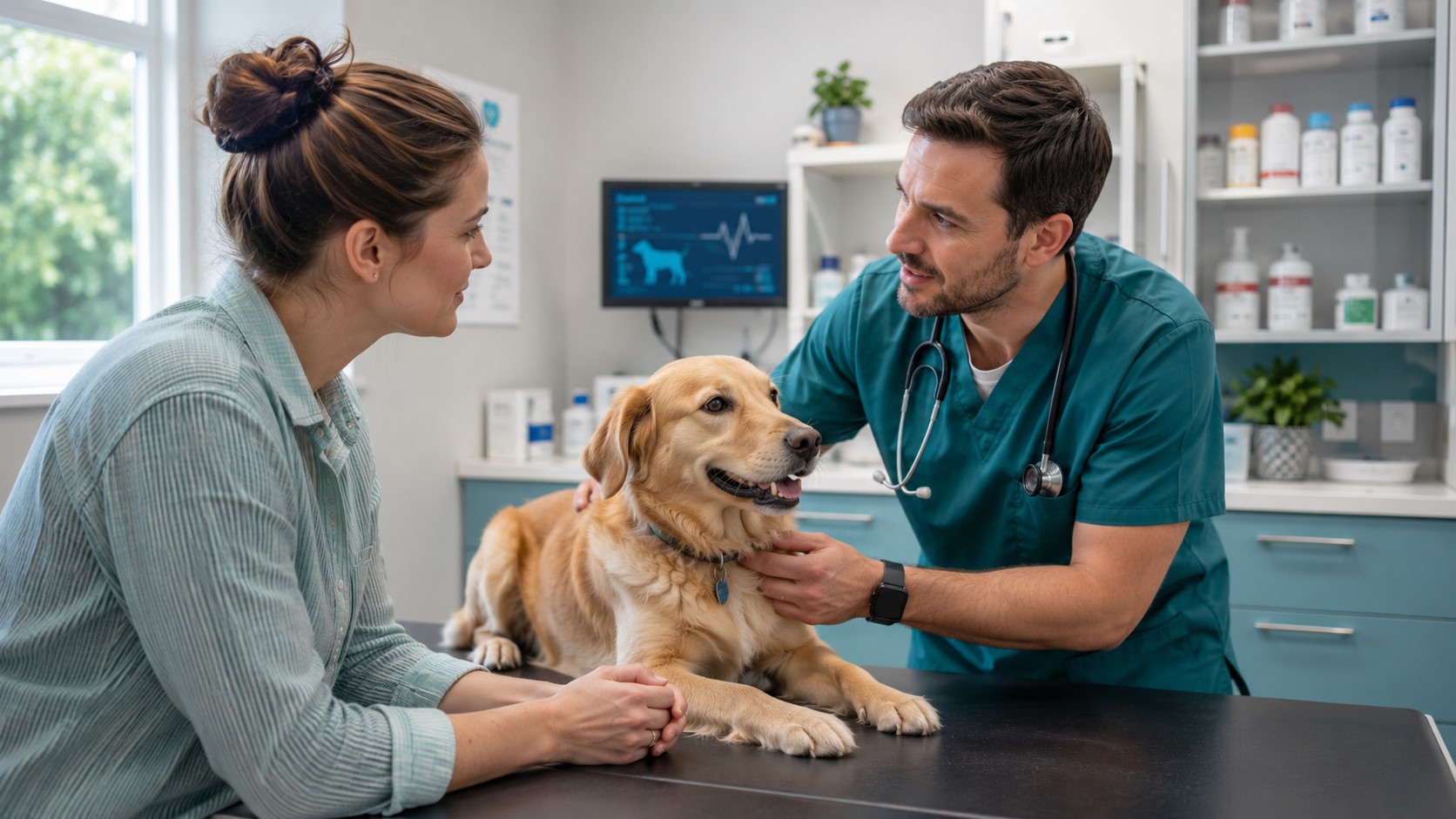
Dog owners are being reminded never to give common human painkillers to their pets without veterinary guidance, amid growing concerns over accidental poisoning cases involving household medicines.
Veterinary professionals have warned that medications frequently found in family medicine cabinets, including ibuprofen and paracetamol, can pose significant risks to dogs if administered incorrectly. While these medicines are widely used by people to manage pain and fever, animals process drugs differently, meaning even small amounts can sometimes result in serious health consequences.
Experts say pet owners often act with good intentions when attempting to relieve discomfort in a dog, but self-medicating animals without professional advice can lead to complications affecting the liver, kidneys, digestive system and overall wellbeing. Human painkillers remain one of the most common causes of accidental pet poisoning reported by veterinary services.
Ibuprofen has been highlighted as particularly dangerous for dogs. Veterinary guidance states that ingestion may cause stomach ulcers, internal bleeding, kidney damage and, in severe cases, life-threatening illness. Symptoms can include vomiting, diarrhoea, lethargy and loss of appetite.
Paracetamol also carries risks when used without veterinary supervision. Specialists warn that inappropriate doses can lead to liver injury and other serious medical complications. While veterinarians may occasionally prescribe carefully controlled medications for specific conditions, owners are strongly advised not to make dosing decisions themselves.
Animal welfare organisations stress that any dog showing signs of pain, injury or illness should be assessed by a qualified veterinary professional. Early diagnosis can help ensure pets receive safe and appropriate treatment while avoiding preventable emergencies linked to unsuitable medication use.
The warning serves as a reminder that medicines designed for humans are not automatically safe for animals, and professional veterinary advice remains the safest option whenever a pet requires medical care.
UKEcho News brings you accurate, independent reporting from across the UK and beyond.
Comments (0)
Sign in to join the discussion.
Be the first to comment.