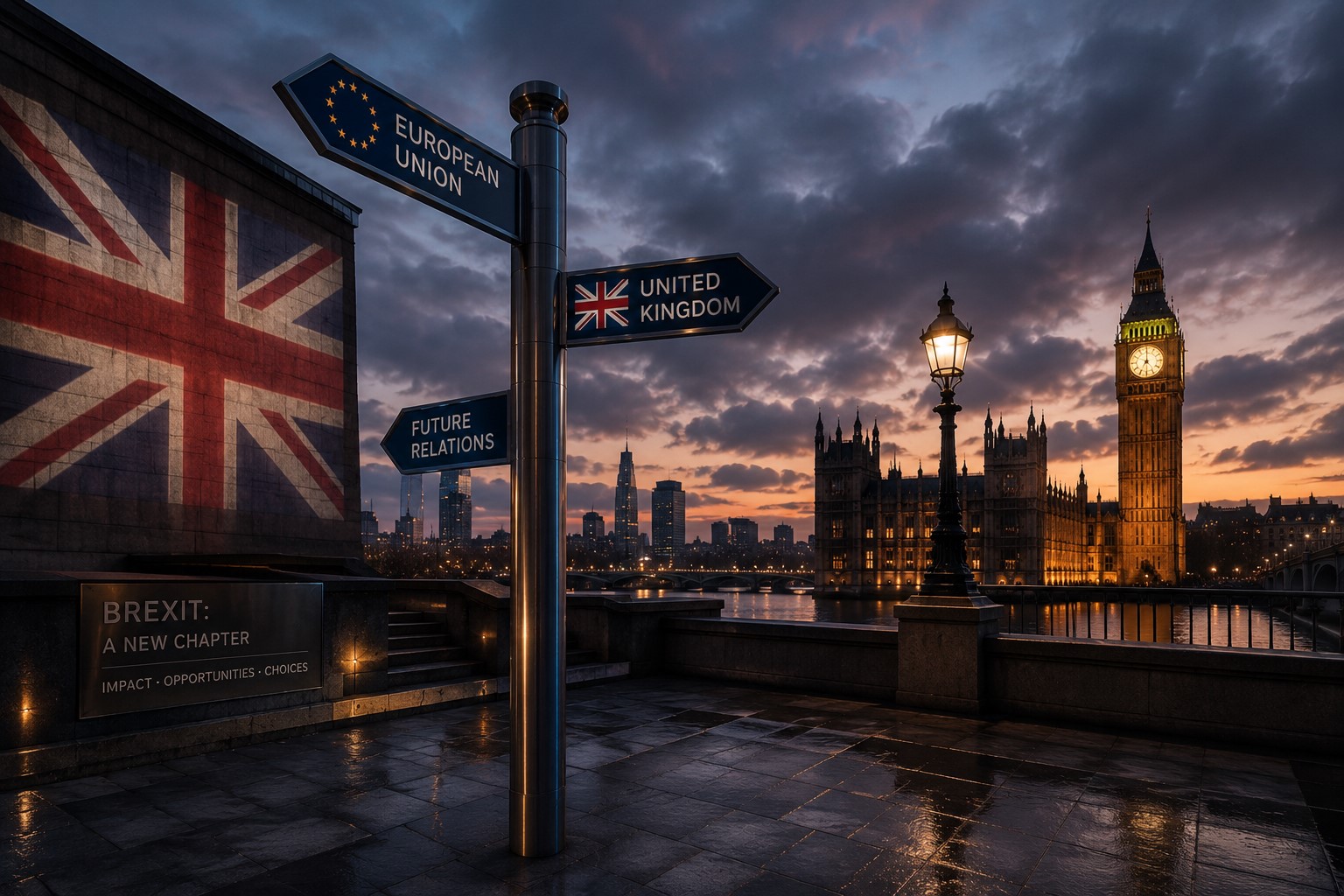
Ten years after voters chose to leave the European Union, Brexit remains one of the defining forces in British politics, influencing everything from party strategy to national identity.
What was once presented as a clear choice about Britain's relationship with Europe has evolved into a wider debate about economic performance, immigration, sovereignty and the future direction of the United Kingdom.
Supporters of Brexit argue that the decision restored democratic control and allowed Britain to pursue an independent path. Critics contend that many of the economic promises associated with leaving the EU have yet to materialise, while political divisions created during the referendum campaign continue to shape public discourse.
The anniversary arrives at a time of significant political uncertainty. Labour faces pressure from opposition parties seeking to capitalise on voter frustration, while Reform UK continues to position itself as the defender of Brexit's original vision.
Political analysts suggest that Brexit has become more than a single policy decision. Instead, it has evolved into a symbol representing competing ideas about Britain's identity, economic priorities and place in the world.
As political parties prepare for future electoral battles, the legacy of Brexit remains impossible to ignore. Whether viewed as a success, a disappointment or an unfinished project, its impact continues to influence the choices facing Britain today.
The debate may have started with Europe, but ten years on it has become a broader conversation about the future of the country itself.
UKEcho News brings you accurate, independent reporting from across the UK and beyond.
Comments (0)
Sign in to join the discussion.
Be the first to comment.