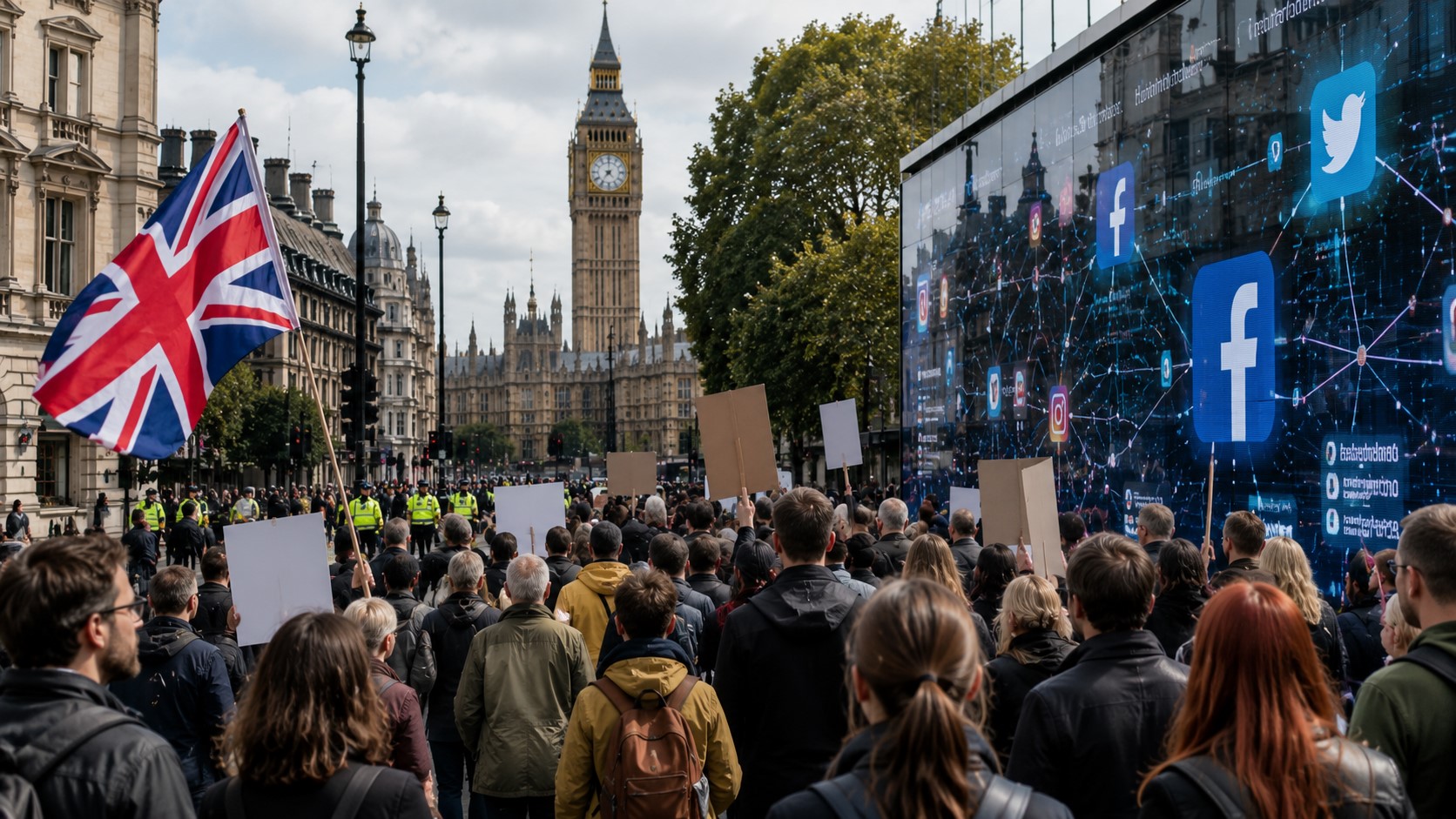
The heated debate surrounding the Belfast riots and the government's response to Palestine Action has highlighted a deeper struggle over protest, public order and political identity in modern Britain.
In recent weeks, public demonstrations, political activism and civil unrest have once again dominated national headlines. From disorder on the streets of Belfast to fierce arguments over whether protest groups should face tougher restrictions, Britain finds itself at the centre of a growing debate about the limits of political activism.
Supporters of stronger action argue that governments have a responsibility to maintain public safety and prevent disorder. Critics, however, warn that increasingly aggressive responses to protest movements risk undermining democratic freedoms and the right to peaceful dissent.
The controversy has intensified as images and videos spread rapidly across social media platforms, often shaping public perceptions long before official investigations or detailed reporting emerge. Political commentators have pointed to the growing influence of online narratives in driving public anger, mobilisation and division.
At the same time, questions remain over how governments should distinguish between legitimate political protest, direct action campaigns and activities that disrupt public life. The challenge for policymakers is finding a balance between safeguarding security while protecting democratic rights.
The Belfast disturbances have become a focal point in this wider conversation, exposing tensions around immigration, identity, community relations and political leadership. Meanwhile, debates surrounding Palestine-related protests continue to generate strong reactions from campaigners, politicians and legal experts.
As Britain approaches another politically charged period, the arguments over protest rights, public order legislation and political accountability are unlikely to disappear. Instead, they may become one of the defining issues shaping national debate in the years ahead.
Whether the country chooses greater restrictions or stronger protections for protest activity, the outcome will have lasting consequences for how democracy functions in the digital age.
UKEcho News brings you accurate, independent reporting from across the UK and beyond.
Comments (0)
Sign in to join the discussion.
Be the first to comment.