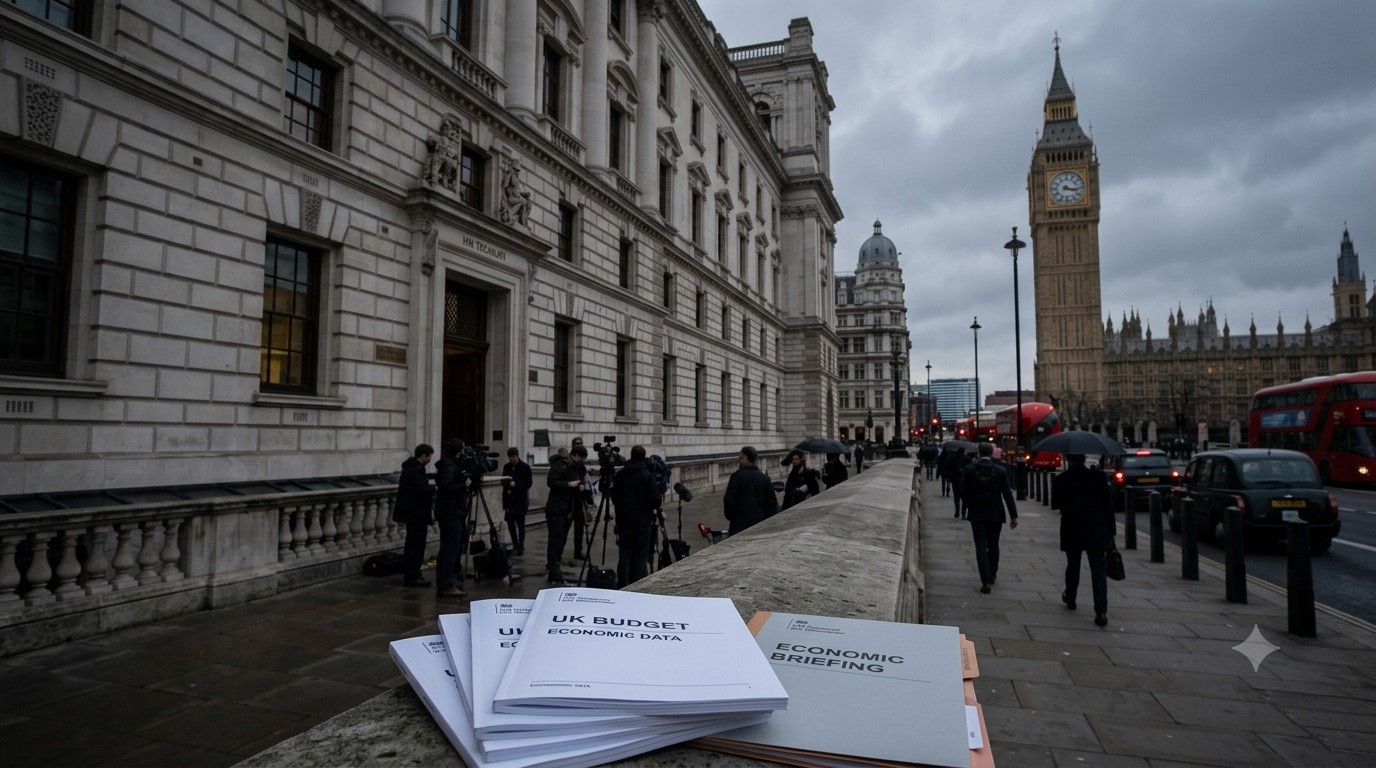
Britain's new government is facing an uncomfortable economic reality: ambitious promises are colliding with a much harder financial environment.
Higher energy prices linked to the ongoing Iran conflict are adding to inflationary pressure and weakening expectations for economic growth. The National Institute of Economic and Social Research has warned that inflation could rise to 3.8% by early 2027, while the UK could lose around £28 billion in growth over the next two years.
That matters because Prime Minister Andy Burnham's government has entered office promising practical help with household costs and stronger public services. But every new commitment now has to compete with rising costs and limited government finances.
The temptation for politicians is obvious: promise more support and worry about the bill later. That is not a sustainable economic strategy.
The government instead needs to explain clearly what it can afford, what must be delayed and where additional revenue will come from. NIESR has argued against simply increasing borrowing and says tax reforms and spending savings may be necessary.
This does not mean abandoning public services. Britain needs investment in the NHS, social care and opportunities for young people. But voters deserve an honest conversation about the cost of those priorities.
The autumn Budget should therefore be more than a collection of popular announcements. It should be a test of whether Britain's new political leadership can match ambition with financial discipline.
If Burnham's government wants to convince the public that politics can work differently, this is precisely the moment to prove it: make difficult choices openly, protect those who need help most and avoid leaving today's promises for tomorrow's taxpayers.
UKEcho News brings you accurate, independent reporting from across the UK and beyond.
Comments (0)
Sign in to join the discussion.
Be the first to comment.