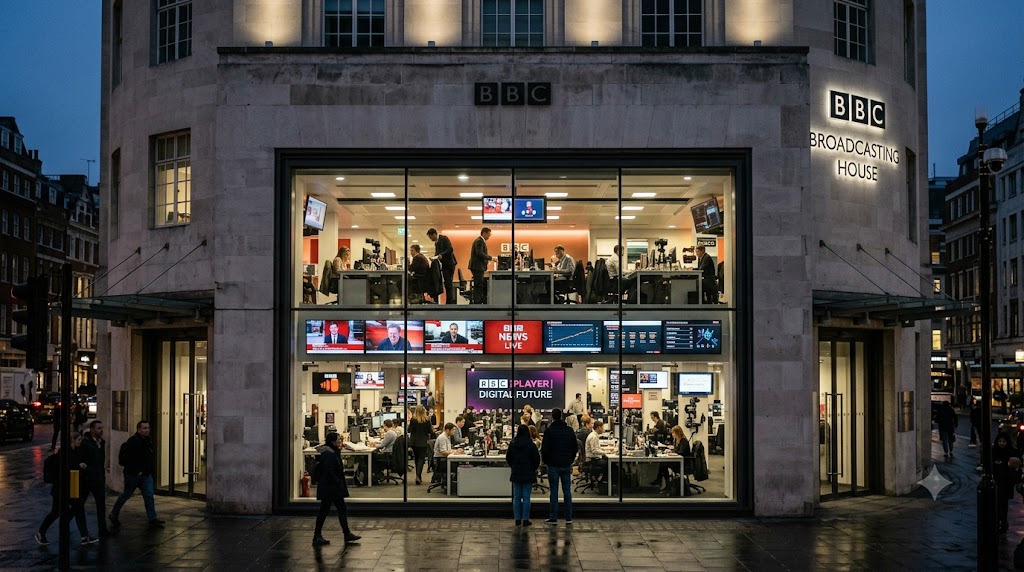
The BBC is approaching one of the most important decisions in its modern history. Its current Royal Charter expires at the end of 2027, and the process now under way will shape how Britain’s public broadcaster operates for years to come.
This should not become another Westminster argument about whether the BBC is too large, too expensive or too politically influential. The bigger question is simpler: what should a public broadcaster provide in an era dominated by streaming platforms, social media and artificial intelligence?
The public consultation attracted around 120,000 responses, showing that there remains substantial public interest in the BBC's future. Yet concerns have also been raised about how much influence those public views will ultimately have as negotiations move behind closed doors.
The next BBC Charter should therefore prioritise independence, transparency and universal public service. A modern BBC needs to compete in a digital market, but it should not simply attempt to imitate Netflix, YouTube or commercial broadcasters.
Britain also needs a BBC capable of serving audiences who increasingly receive news through algorithms. That means investing in trusted journalism, regional programming, children's content and digital services while maintaining clear safeguards against political interference.
The coming charter negotiations are an opportunity to rebuild public confidence. The BBC's future should be decided by what Britain needs from public broadcasting—not by whichever government happens to be in Downing Street.
UKEcho News brings you accurate, independent reporting from across the UK and beyond.
Comments (0)
Sign in to join the discussion.
Be the first to comment.