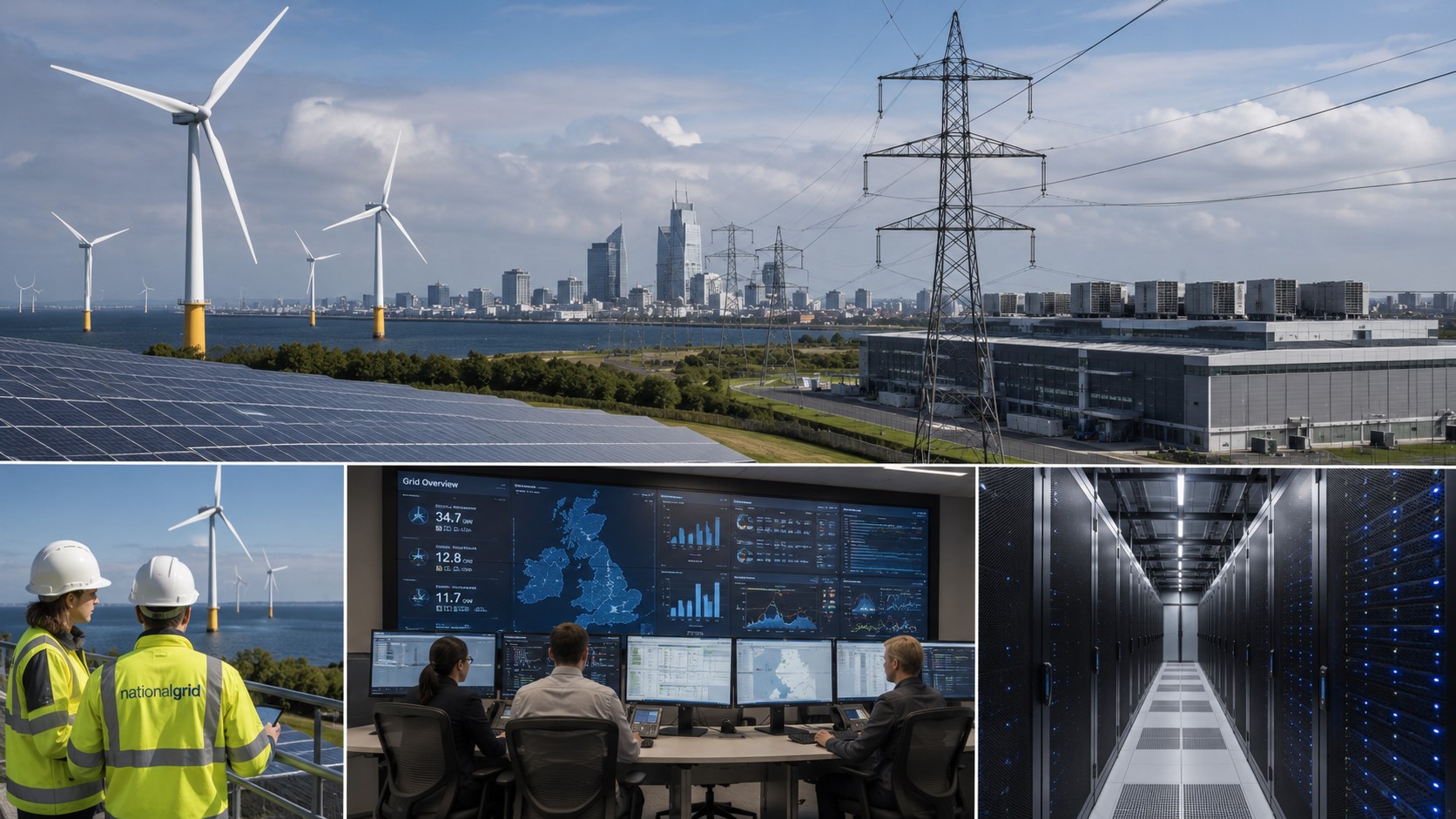
Britain is entering a period where electricity is becoming the foundation of economic growth. Artificial intelligence, electric vehicles, advanced manufacturing and large-scale data centres are all increasing demand for reliable, affordable power.
Meeting this challenge will require more than simply generating additional electricity. The UK must modernise its transmission networks, expand energy storage, strengthen grid resilience and speed up the connection of new renewable energy projects.
Businesses have repeatedly highlighted long waiting times for grid connections as a barrier to investment. Delays can discourage companies from expanding operations or locating new facilities in Britain, potentially slowing economic growth.
At the same time, maintaining energy security means balancing affordability with sustainability. Continued investment in offshore wind, solar power, nuclear generation and battery storage can help diversify the UK's energy mix while supporting long-term climate objectives.
The next phase of Britain's industrial strategy should place energy infrastructure at its centre. A modern, resilient electricity network will support innovation, attract international investment and provide households and businesses with greater confidence in the years ahead.
As digital technologies reshape the economy, the strength of the UK's power infrastructure may prove just as important as the innovations it is designed to support.
UKEcho News brings you accurate, independent reporting from across the UK and beyond.
Comments (0)
Sign in to join the discussion.
Be the first to comment.